The field notes
A journey with rhythm
Private guiding, thoughtful pacing, and enough room to absorb each place rather than simply pass through it.
PrivateThoughtfulLocal

Everest Base Camp Trek via Gokyo Lake | Gokyo EBC Trek
A demanding high-altitude circuit through Gokyo Lakes, Gokyo Ri, Cho La Pass, Everest Base Camp and Kala Patthar.
Journey overview
The Everest Base Camp Trek via Gokyo Lakes and Cho La Pass is a demanding 15-day Himalayan journey that combines the quieter Gokyo Valley with the celebrated landmarks of the classic Everest trail. Beginning and ending in Kathmandu, the route reaches the turquoise Gokyo Lakes, climbs Gokyo Ri, crosses the high-altitude Cho La Pass, visits Everest Base Camp and finishes with a sunrise hike to Kala Patthar. It is designed for fit and well-prepared trekkers who want a broader and more adventurous experience than the standard Everest Base Camp route.
The journey begins with a mountain flight to Lukla, followed by a gradual walk through the Dudh Koshi Valley to Phakding. From there, the trail crosses suspension bridges and enters Sagarmatha National Park before climbing to Namche Bazaar, the principal trading town of the Khumbu region. An acclimatization day in Namche includes a hike towards Hotel Everest View, where clear weather may reveal Mount Everest, Lhotse, Ama Dablam, Thamserku and other Himalayan peaks.
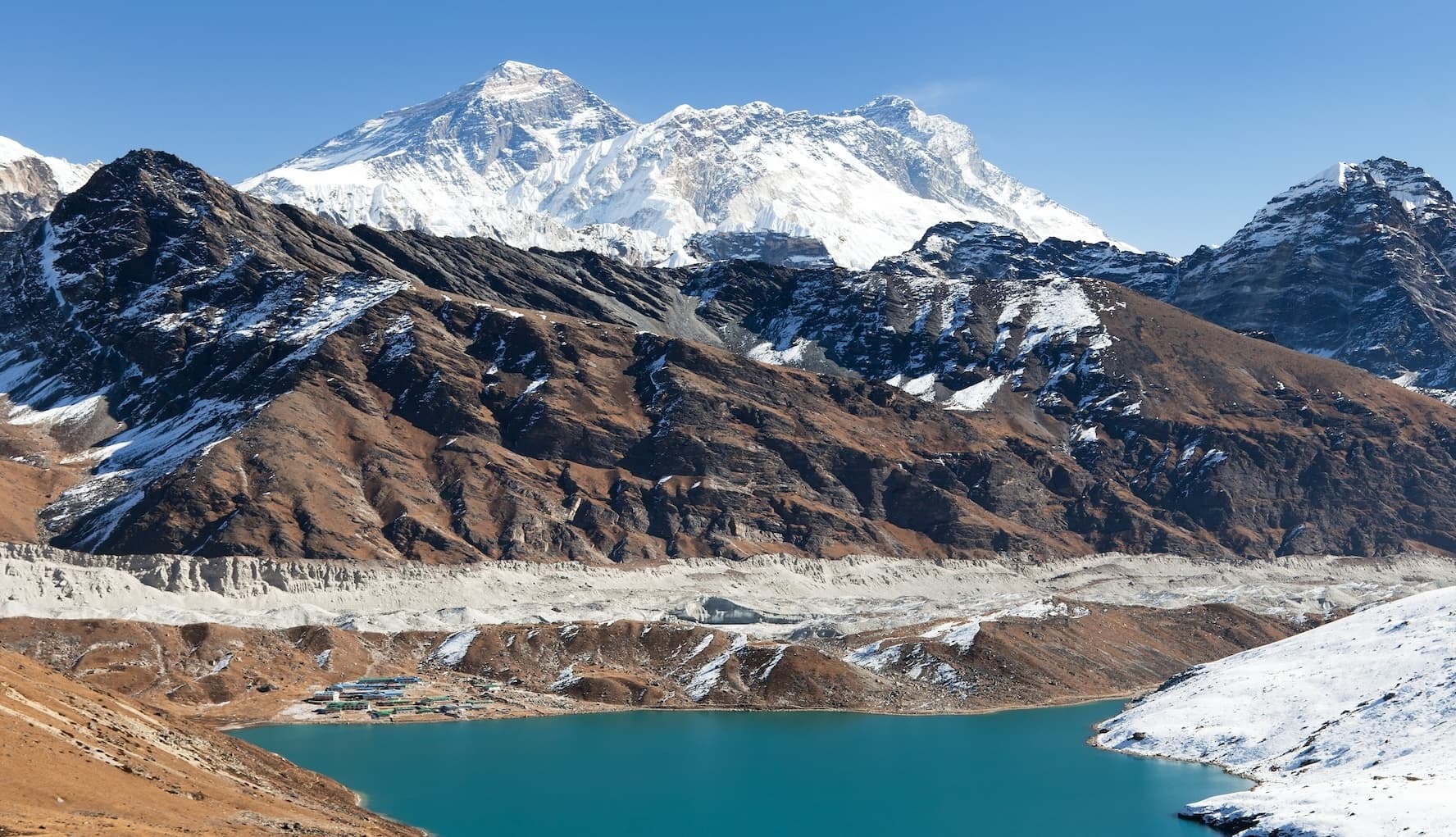
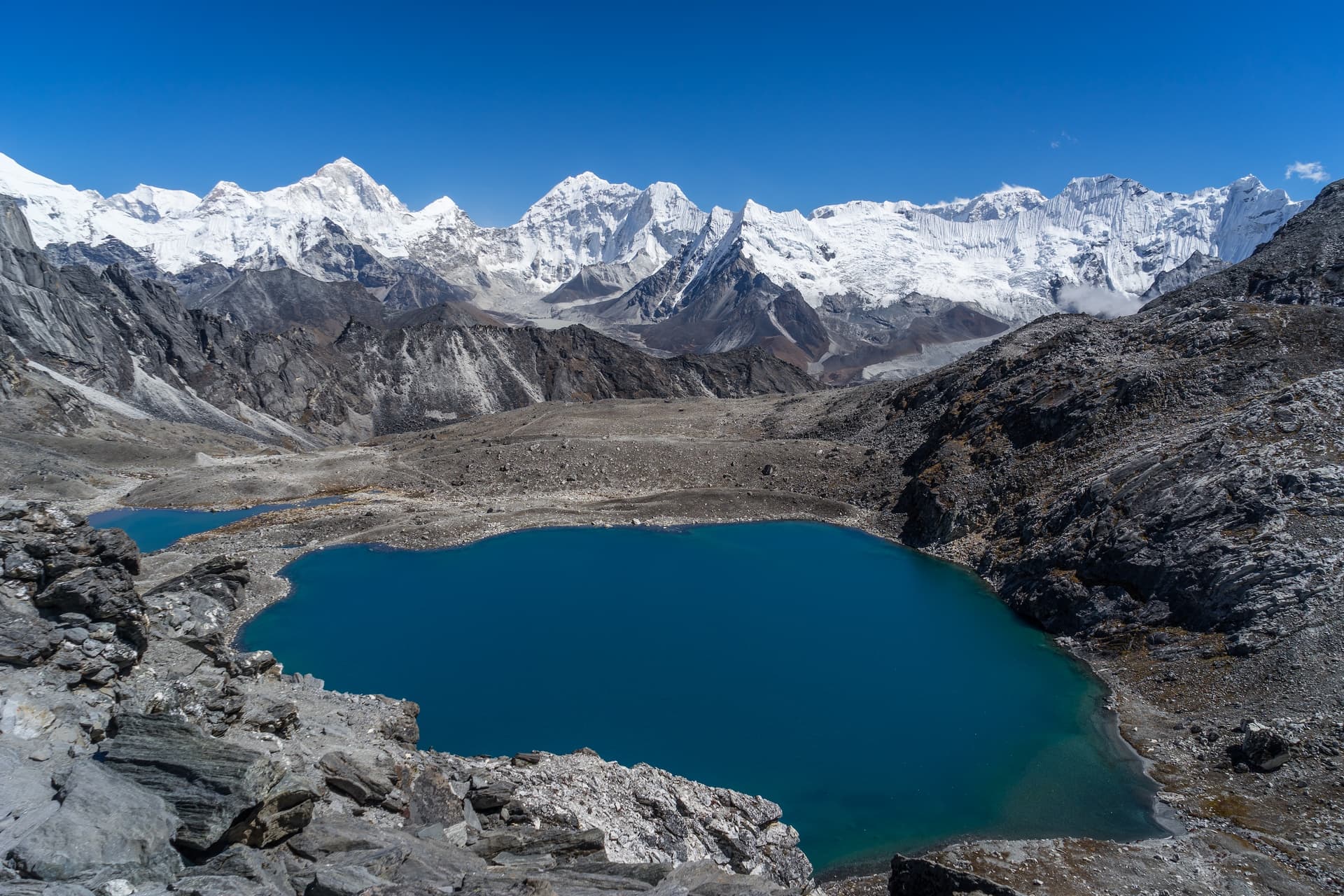
Above Namche, the route separates from the busier Everest Base Camp trail and turns towards the Gokyo Valley. The path passes through Kyangjuma, Mong La and Phortse Tenga before climbing through rhododendron and juniper forest to Dole. As the trek continues through Machhermo, the landscape becomes increasingly alpine, with views of Cho Oyu and the surrounding mountains. The trail then reaches the first and second Gokyo Lakes before arriving at Gokyo village beside the third lake, Dudh Pokhari.
An acclimatization and exploration day at Gokyo is one of the defining experiences of the trek. The early-morning climb to Gokyo Ri at 5,357m offers a sweeping panorama of Everest, Lhotse, Makalu and Cho Oyu, together with the Gokyo Lakes and the vast Ngozumpa Glacier. Trekkers who prefer a longer valley walk may choose an excursion towards the fourth and fifth lakes instead of climbing Gokyo Ri, depending on weather, trail conditions and the guide’s recommendation.
After Gokyo, the trail crosses the rugged Ngozumpa Glacier to Thangnak, the staging point for Cho La. The following day is the most demanding part of the journey. An early start is required for the climb across rocky, snowy or icy terrain to Cho La Pass at approximately 5,420m. Conditions can change quickly, and the crossing is undertaken only when the guide considers the route safe. Technical mountaineering experience is not normally required, although microspikes or similar traction equipment may be necessary when snow or ice is present.
From Cho La, the route descends to Dzongla and continues to Lobuche, where it rejoins the classic Everest Base Camp trail. The trek then follows the Khumbu Glacier to Gorak Shep and onward to Everest Base Camp at 5,364m. Although Everest’s summit is not clearly visible from Base Camp, the Khumbu Icefall, glacial landscape and surrounding peaks make this one of the journey’s most memorable locations.
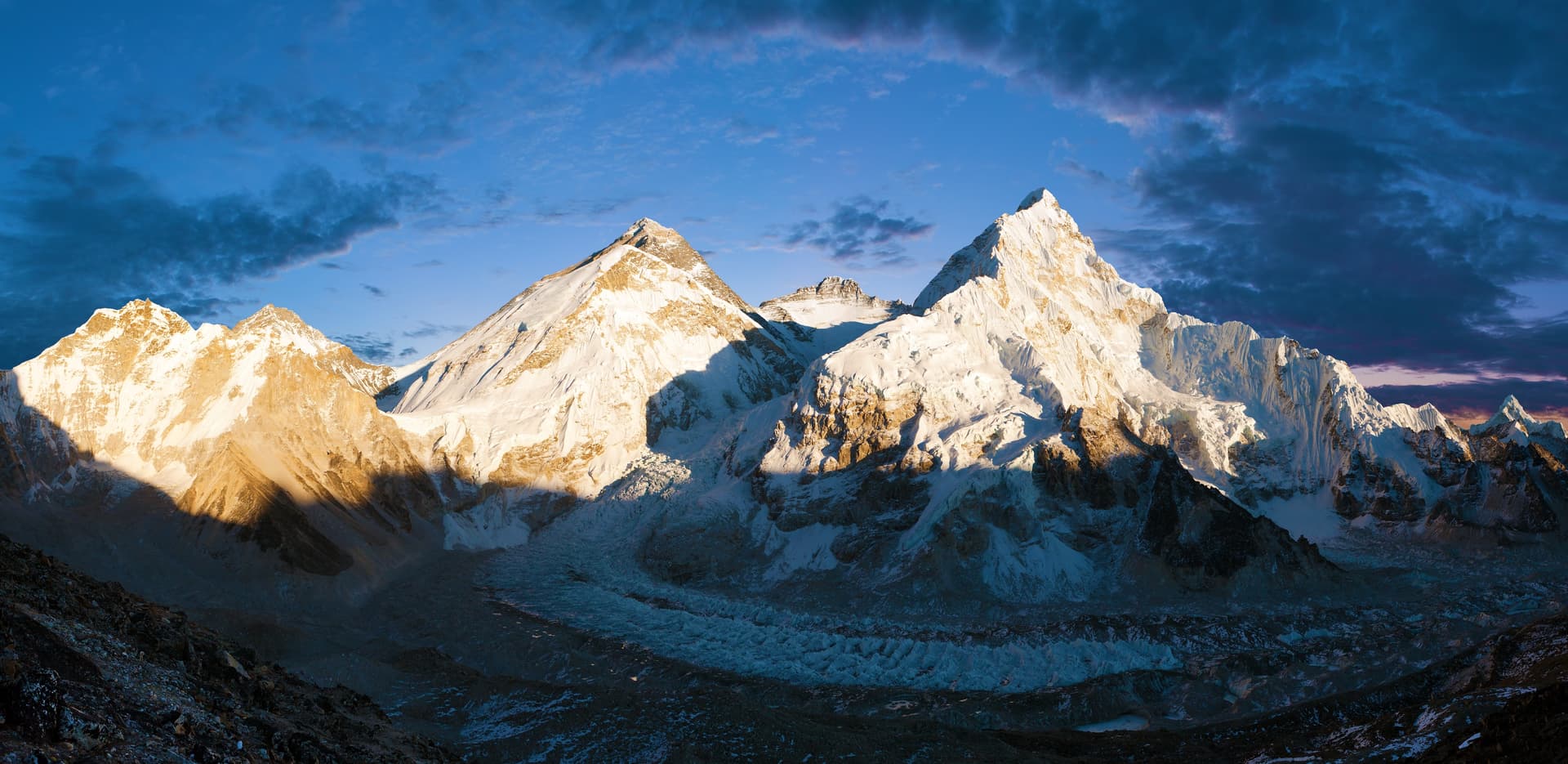
The following morning, the trail climbs to Kala Patthar at 5,545m, the highest point of the itinerary and one of the best viewpoints for Mount Everest, Nuptse, Pumori and the Khumbu Glacier. The return journey descends through Pheriche, Pangboche and Tengboche before reaching Namche and Lukla.
The Gokyo Cho La Everest Base Camp Trek is more strenuous than the classic 12-day EBC itinerary. Trekkers should be comfortable walking for several consecutive days on steep, rocky and uneven trails while carrying a daypack. Two acclimatization stages—at Namche and Gokyo—help the body adjust, but good fitness does not remove the risk of altitude illness. Our experienced local guide monitors the group’s condition, sets a steady pace and makes safety-based decisions throughout the trek.
Spring from March to May and autumn from late September to November normally offer the most dependable conditions. Even during these periods, snowfall, wind or ice can affect Cho La and mountain weather can delay Lukla flights. We strongly recommend keeping at least one contingency day in Kathmandu after the trek.
Trip Information
Trek Difficulty and Who This Trip Is For
This trek is graded demanding because it reaches several locations above 5,000m, crosses Cho La Pass and includes repeated walking days on steep, rocky and glacial terrain. Most days involve 5–7 hours of walking, while the Cho La crossing and some return stages may require 7–9 hours.
Technical climbing experience is not normally necessary, but participants should have good cardiovascular fitness, leg strength, balance and the mental resilience required for a long high-altitude journey. Previous multi-day trekking experience is strongly beneficial. Active first-time Himalayan trekkers may complete the route with appropriate preparation, but this is not the best introductory alternative for someone who has never completed long hikes on uneven terrain. The classic 12-day Everest Base Camp Trek is a more suitable choice for travellers who prefer to avoid a high-pass crossing.
Physical Preparation
Begin training at least 8–12 weeks before departure. Build endurance through regular uphill walking, stair climbing, cycling, running or swimming, and include progressively longer hikes while carrying the daypack you plan to use in Nepal. Strength exercises for the legs, core and balance can help with the steep ascent and descent around Cho La.
Training improves comfort and endurance, but physical fitness does not prevent altitude illness. Trekkers should arrive rested, disclose relevant health conditions and consult a qualified medical professional before travelling if they have concerns about high altitude, heart or lung conditions, medications or previous altitude reactions.
Altitude and Acclimatization
The itinerary includes an acclimatization day in Namche Bazaar and another exploration/acclimatization day in Gokyo. Sleeping elevations generally increase gradually through Dole and Machhermo before reaching Gokyo. The shorter walk to Thangnak also allows additional recovery before Cho La.
Anyone travelling above 2,500m can experience altitude illness, regardless of age or fitness. Common early symptoms may include headache, nausea, dizziness, unusual fatigue, poor appetite or disturbed sleep. Tell the guide immediately if symptoms occur. The guide may recommend rest, a route change or descent; continuing higher with worsening symptoms is unsafe. Breathlessness at rest, confusion or loss of coordination requires urgent action. This information is general and does not replace medical advice.
Cho La Pass Conditions and Safety
Cho La is a high trekking pass rather than a technical climbing route, but it can contain snow, hard ice, loose rock and steep sections. The group normally starts before sunrise because early conditions are often more stable and the crossing is long. Warm layers, waterproof boots, gloves, a headlamp and trekking poles are important. Microspikes or similar traction equipment may be required depending on snow and ice.
The guide’s safety decision is final. If Cho La is closed or unsafe, the route may be changed, delayed or turned back. It may not be possible to reach every advertised destination within the original 15 days after a major weather-related alteration. Himalayan Windows will coordinate the safest practical alternative, but additional accommodation, transport or flight costs created by circumstances beyond our control are not included unless specifically stated.
Best Time for the Trek
The most suitable periods are March to May and late September to November. Spring normally brings longer daylight, gradually warmer conditions and expedition activity at Everest Base Camp. Autumn often offers clear skies, dry trails and excellent mountain visibility.
Weather remains unpredictable at high altitude in every season. Heavy snow can affect Cho La in early spring or late autumn. Winter trekking is possible for highly experienced and properly equipped groups, but extreme cold and snow may close the pass. The summer monsoon generally brings cloud, rain at lower elevations, poor visibility and unstable trail conditions, so it is not recommended for this itinerary.
Accommodation
Accommodation during the trek is provided in locally operated lodges or teahouses, normally in basic twin-sharing rooms. Rooms usually contain two beds, mattresses, pillows and blankets, but they are not heated. A warm four-season sleeping bag is strongly recommended.
Facilities become simpler with altitude. Attached bathrooms may be available at lower elevations for an additional charge, while Gokyo, Thangnak, Dzongla, Lobuche and Gorak Shep commonly have shared toilets and limited washing facilities. Dining rooms may be heated in the evening, usually around a central stove. Single rooms can be requested, but availability cannot be guaranteed at the higher settlements during busy periods.
Meals and Drinking Water
Breakfast, lunch and dinner are included during the trek. Breakfast and dinner are served at the overnight lodge, while lunch is normally taken at a teahouse along the route. Menus commonly include dal bhat, soups, noodles, fried rice, potatoes, pasta, momos, eggs, porridge, pancakes, bread and simple vegetable dishes. Menu variety and fresh ingredients become more limited at higher elevations.
We recommend choosing freshly cooked food and limiting meat at higher elevations because supplies are transported without a continuous refrigerated chain. Vegetarian meals are widely available. Please inform us in advance about allergies, coeliac disease or other dietary requirements so we can brief the guide and lodges, although cross-contamination cannot always be completely eliminated in remote kitchens.
Drinking water is not included. Trekkers can purchase boiled or filtered water at lodges or use purification tablets or an appropriate filtration system. Single-use plastic bottles should be minimized where possible.
Lukla Flights and Contingency Time
Flights to and from Lukla operate under visual flight conditions and are affected by cloud, wind and visibility. Delays and cancellations are common when weather deteriorates. During busy trekking seasons, airlines may operate Lukla flights from Ramechhap Airport. This requires an early 4–5-hour road transfer from Kathmandu, depending on traffic and road conditions.
Keep at least one full contingency day in Kathmandu after the trek and avoid booking an international flight immediately after the planned return from Lukla. If a flight is cancelled, Himalayan Windows will assist with rebooking and practical alternatives. Helicopter transfers may sometimes be available at additional cost, subject to weather, operational approval and the traveller’s agreement.
Permits and Licensed Guide
Himalayan Windows arranges the trekking documents and entry fees required for the route, including the Sagarmatha National Park permit, Khumbu Pasang Lhamu Rural Municipality entry permit/Trek Card and TIMS Card where applicable under current regulations. Permit rules and fees can change, and the final documentation will follow the requirements in force at the time of travel.
The trek is led by an experienced, government-licensed local guide. A guide is particularly important for the Ngozumpa Glacier and Cho La sections, where snow, ice, poor visibility and changing trails can make route-finding difficult.
Porter, Baggage and Daypack
One porter is provided for every two trekkers. To protect the porter and comply with flight limitations, each traveller should keep the duffel bag to approximately 10kg. Carry personal valuables, water, warm layers, rain protection, camera, medication and documents in a comfortable daypack of approximately 5–7kg.
Lukla Airlines commonly applies a total baggage allowance of approximately 15kg per passenger, divided between checked and hand baggage, although the exact allowance can vary by airline. Excess baggage is charged directly by the airline and may travel on a later flight when aircraft weight limits are reached.
Electricity, Wi-Fi and Mobile Coverage
Electricity and device charging are available at many lodges for an additional fee, but the supply may depend on solar power and can be unreliable. Carry a power bank and spare camera batteries, keeping them warm at night to reduce power loss.
Paid Wi-Fi is available in many settlements, but speed and reliability decline at higher elevations. Mobile coverage may work in parts of the route but should not be expected every day. Inform family or colleagues that communication can be interrupted for several days.
Travel Insurance and Emergency Arrangements
Comprehensive travel insurance is required. The policy should cover trekking up to at least 6,000m, emergency helicopter evacuation, medical treatment, hospitalization, trip interruption, cancellation, baggage loss and flight delays. Confirm directly with the insurer that high-altitude trekking and helicopter rescue in Nepal are covered; a general travel policy may exclude them.
The trekking team carries a group first-aid kit and can coordinate emergency assistance. Rescue flights depend on weather, aircraft availability and insurer or payment authorization. Himalayan Windows arranges communication and logistics, but all rescue, evacuation and treatment charges remain the traveller’s responsibility.
Pre-Trek Briefing and Kathmandu Arrangements
One day before departure, we arrange a briefing at our office, your hotel or another convenient location. The meeting introduces the guide, reviews the itinerary, discusses current weather and Lukla flight arrangements, checks essential equipment and answers final questions.
Kathmandu accommodation is not included in this 15-day package, which starts with the transfer for the Lukla flight and ends on arrival back in Kathmandu. We can book pre- and post-trek hotels and arrange additional airport transfers on request.
Trip highlights
Walk beside the turquoise Gokyo Lakes and climb Gokyo Ri for views of Everest, Lhotse, Makalu, Cho Oyu and the Ngozumpa Glacier.
Cross the challenging Cho La Pass at approximately 5,420m through dramatic rocky, snowy and glacial terrain.
Reach Everest Base Camp at 5,364m and experience the vast Khumbu Glacier and impressive Khumbu Icefall.
Hike to Kala Patthar at 5,545m for one of the finest close-range panoramas of Mount Everest and the surrounding peaks.
Experience Sherpa settlements, Buddhist monuments, mountain lodges and the quieter trails of the upper Gokyo Valley.
Places covered
The places this journey moves through, in the order they shape the experience.
Day by day
Walk the route one day at a time — meals, overnight stays, and the details that shape each stage.
Your journey starts on a mountain flight to Lukla, the gateway to the Everest region. When you land, meet up with the trekking crew and start walking through Dudh Koshi Valley.
The trail initially descends slowly before passing through small Sherpa settlements, mani walls, prayer wheels, suspension bridges, and forested parts. You will pass through Cheplung and continue to Phakding.
Phakding is lower in elevation than Lukla, so this is a relatively gentle first walking day and a good introduction to the Himalayan environment.
Overnight: Phakding Maximum elevation: 2,860 m
After breakfast, continue north along the Dudh Koshi River to Monjo and the Sagarmatha National Park entrance. The trail crosses a few suspension bridges on its way to Jorsale.
The route follows the river and crosses the famous Hillary Suspension Bridge from Jorsale. The trail then begins the long, steady climb toward Namche Bazaar. The final ascent is the toughest part of the day.
Namche Bazaar is situated at 3,440 m and is the commercial and cultural heart of the Khumbu region. Nepal Tourism Board also describes the Jorsale–Namche section as a challenging climb and that the final ascent is around three hours.
NoteHiking: 5–6 hours. Elevation gain: about 830 m
Today is about acclimatization. Rather than spend the whole day inside the lodge, take a gradual acclimatization hike around Namche.
A good option is to hike towards the Everest View Hotel to the north of Everest, around 3,880 m, for panoramic views of Everest, Lhotse, Ama Dablam, Thamserku, and Kongde.
You can also visit Khumjung village and the Khumjung Monastery if energy and weather permit.
The goal is not to complete a difficult hike but to gain elevation during the day and return to Namche to sleep lower. Overnight: Namche Bazaar Maximum hiking elevation: 3,880 m
NoteMaximum hiking elevation: 3,880 m
Today you leave the main Everest Base Camp trail and follow the quieter Gokyo Valley route.
The trail gradually climbs up above Namche through rhododendron and juniper forests towards Kyangjuma. From here, the path continues toward Sanasa and Mong La before dropping down briefly to Phortse Tenga.
You then climb steadily through forested terrain toward Dole. As the elevation increases, the vegetation becomes shorter and the landscape more alpine. Overnight: Dole Maximum elevation: 4,200 m
The trail continues north through the Gokyo Valley. The landscape becomes more rugged as you leave the tree line behind.
You pass through small communities including Luza before reaching Machhermo. The trail gradually climbs up the Dudh Koshi Valley with more impressive views of Cho Oyu and the surrounding Himalayan peaks on the way.
Machhermo is one of the key overnight stops before Gokyo and is an important stage in the acclimatization process.
Overnight: Machhermo Maximum elevation: 4,470 m
Today is one of the most scenic days of the trek.
The trail follows the Dudh Koshi to the Ngozumpa Glacier, which is the largest glacier in Nepal. You pass through a stark alpine landscape before you arrive at the first Gokyo Lake.
Continue along the turquoise waters of the second lake and arrive at Gokyo village next to the third lake Dudh Pokhari.
After checking into the lodge, enjoy views of Cho Oyu, Gyachung Kang, Everest, Lhotse, and the surrounding peaks.
Overnight: Gokyo Maximum elevation: 4,790 m
This should be a proper Gokyo exploration day, rather than simply a rest day.
Start early and climb Gokyo Ri (5,357 m) for panoramic views of Everest, Lhotse, Makalu, Cho Oyu and the Ngozumpa Glacier. After returning to Gokyo, you can explore the lakes and surrounding valley, including the third and, if conditions and energy permit, fourth/fifth Gokyo Lakes.
NoteMax. Elevation: Gokyo Ri (5,357 m)
Today is intentionally shorter to prepare for the challenging Cho La crossing. After breakfast, walk along the edge of the Ngozumpa Glacier toward Thangnak, also known as Dragnag. The trail is short, but the high altitude makes even easy walking more strenuous.
This is a very important rest and preparation day before crossing Cho La Pass.
Spend the afternoon relaxing, hydrating, checking equipment, and getting ready for the early start tomorrow.
Overnight: Thangnak Maximum elevation: 4,790 m
This is the most demanding day of the trek.
Start early in the morning when the trail conditions are generally more stable. The route scales up gradually over rocky terrain before reaching the glacier and a more challenging segment to Cho La Pass.
The final ascent can be icy or snow-covered depending on the season. From the top of Cho La, see Everest, Lhotse, Baruntse, Ama Dablam, and the surrounding peaks.
After crossing the pass, carefully descend to Dzongla. The descent can be particularly tiring because of loose rock and steep terrain.
Overnight: Dzongla Maximum elevation: approximately 5,420 m
NoteImportant: Cho La (5420m) is a high-altitude mountain pass and conditions can change quickly. The crossing should only be attempted with proper acclimatization, suitable equipment, and an experienced guide.
Today's trek is much shorter after the Cho La crossing.
The trail traverses the barren high-altitude landscape toward Lobuche. You will gradually reconnect with the main Everest Base Camp trail near Lobuche.
The Khumbu Glacier and surrounding mountains dominate the landscape, while peaks such as Nuptse, Pumori, and Lobuche East become more prominent.
The afternoon is to rest and prepare for the long trek to Everest Base Camp the following day.
Overnight: Lobuche Maximum elevation: 4,910 m
Today is the main objective of the trek.
The trail follows the Khumbu Glacier toward Gorak Shep. After a short break and lunch, continue toward Everest Base Camp.
The route is rocky and undulating as you approach the Khumbu Glacier. At Everest Base Camp (5,364 m), stand next to the glacier and enjoy the spectacular surroundings of the world’s highest mountain region.
Everest itself is not clearly visible from Base Camp, but the surrounding Khumbu Icefall and towering peaks make an unforgettable Himalayan panorama.
After spending time at Base Camp, return to Gorak Shep for the night.
The standard Everest Base Camp route reaches 5,364 m at Base Camp, while Kala Patthar provides the higher panoramic viewpoint the following morning.
Overnight: Gorak Shep Maximum elevation: 5,364 m
NoteMax. elevation: 5364 at EBC
Wake up early for the most spectacular viewpoint of the trek.
Start the climb at dawn to Kala Patthar (5,545 m). The climb is very steep but rather short. From the summit, the view is incredible of Mount Everest, Nuptse, Pumori, Ama Dablam, and the Khumbu Glacier.
Kala Patthar is widely regarded as the definitive Everest viewpoint because Everest is much more prominent from here than from Base Camp. After returning to Gorak Shep for breakfast, we go to Lobuche and proceed through the valley towards Pheriche.
The descent to Pheriche brings some relief as you lose a significant amount of altitude.
Overnight: Pheriche
NoteMax. Elevation: Kala Patthar (5,545 m)
Today you return to the lower Khumbu.
The trail follows the Imja Khola through alpine meadows and traditional Sherpa villages. Pass through Pangboche, one of the oldest settlements in the Everest region, before continuing toward Deboche.
From Deboche, the trail climbs through rhododendron forest towards Tengboche.
Tengboche is known for its grand monastery and panoramic view under Ama Dablam. Then proceed through rhododendron and pine forest towards Phunki Tenga.
From the Dudh Koshi River, the trail gradually climbs towards Kyangjuma before continuing to Namche Bazaar.
That is a relatively comfortable day compared to the high-altitude parts of the trek. Have your last view of Ama Dablam, Thamserku and other Khumbu peaks.
Arrive in Namche in the afternoon and enjoy a well-earned evening at Namche in the lively mountain town.
Overnight: Namche Bazaar
NoteLong day, descend slowly, stay hydrated.
On the final trekking day, you follow the Dudh Koshi Valley back to Lukla.
The trail descends through Jorsale and Monjo before crossing the suspension bridges and continuing towards Phakding.
From Phakding, the route follows the familiar route to Lukla with a few gradual climbs and descents along the way.
When you arrive at Lukla, you check into your lodge and celebrate your Gokyo–EBC adventure with your trekking team.
Overnight: Lukla
NoteLong day, descend slowly, stay hydrated.
After breakfast, transfer to Lukla Airport for your return flight to Kathmandu.
The flight is subject to mountain weather and operational conditions. So the Lukla flight should be highly flexible, as mountain weather can cause delays or cancellations.
Your 15-day Himalayan adventure ends on arrival in Kathmandu.
Private vehicle & English-speaking guide throughout · Kathmandu
Trip essentials
A clear split between what we arrange and what you budget yourself.
Guest voices
What guests wrote after this trip — in their own words.
I had a great 15 days Trek to Everest Base camp and Chola pass, When I look back Anup from Himalayan Windows and my Sherpa Sonam and Porter Mankumar played a big role in making my trip a well-organized and worry-free. I really thank full to Anup to be available to me from Day 1 of meeting him online and answering all my questions and give me the confidence to do my first Himalayan trek. I would recommend Himalayan windows to everyone who is looking for a worry-free experience, especially for first-timers who may have a lot of questions and don’t have the confidence. Anup is very patient in explaining all your questions and will make you comfortable and ensure your needs are fully taken care, he is 100% reliable and committed to make your trip a memorable one Thank You, Anup again for all your support
Before you go
Continue exploring
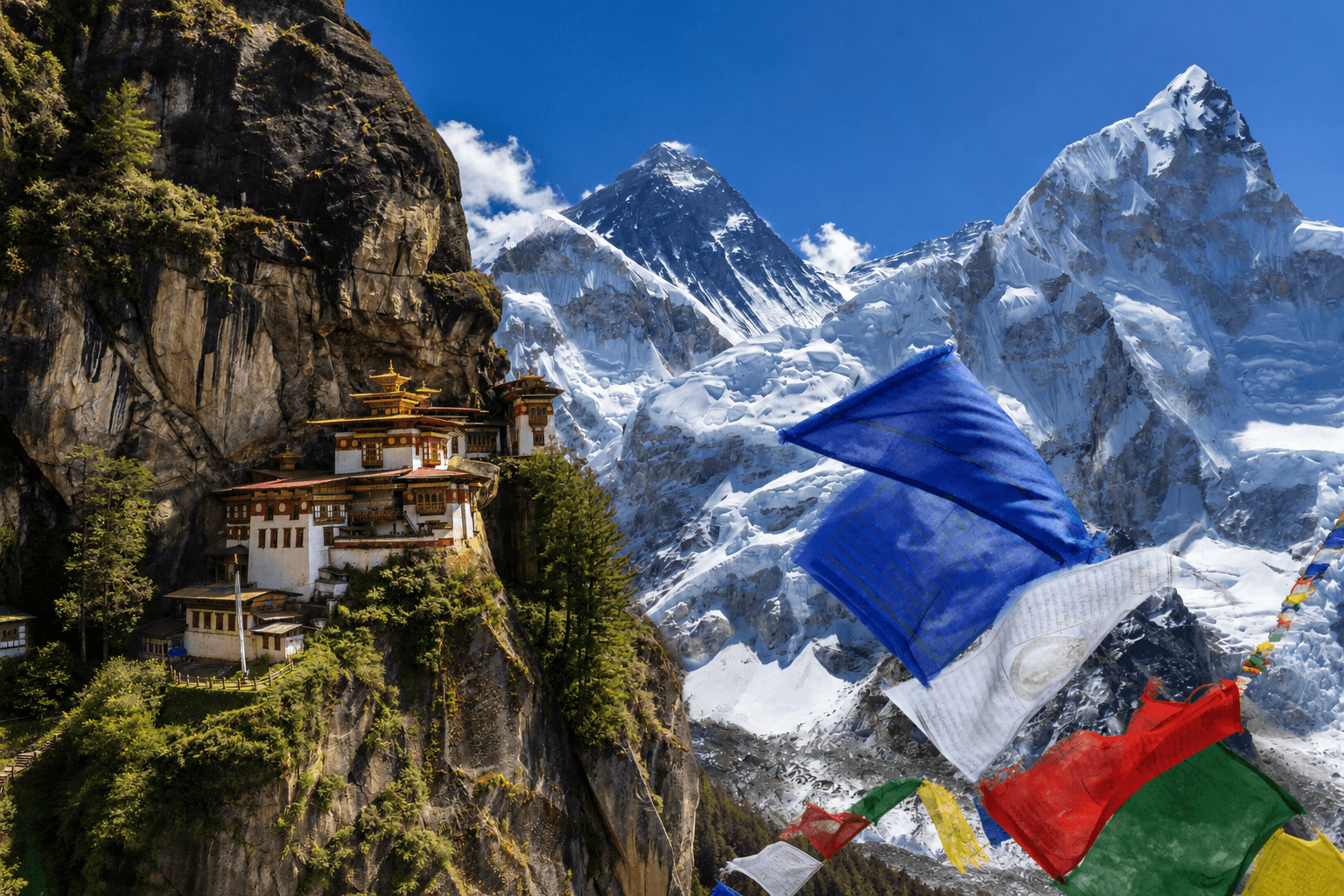
17 DAY(S) · 1–12 PAX
HIMALAYAN TRIP FROM KATHMANDU 2026 |GUIDED TREK PACKAGE
Authentic Sherpa Culture & Mountain Life
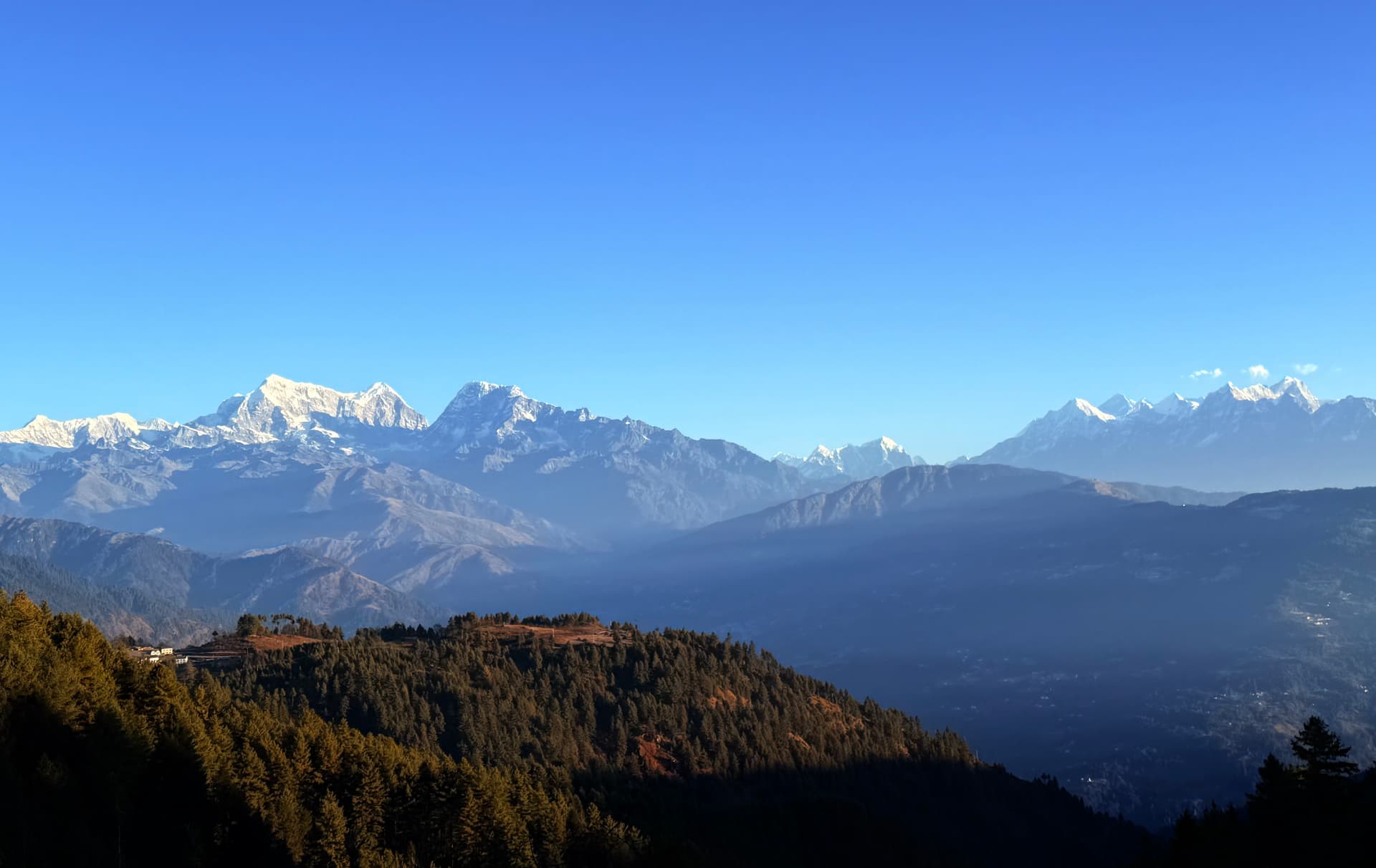
15 DAY(S) · 1–12 PAX
NEPAL TRIP FROM KATHMANDU-SALLERI 2026 |GUIDED TREK PACKAGE
Kathmandu-Salleri to Lukla
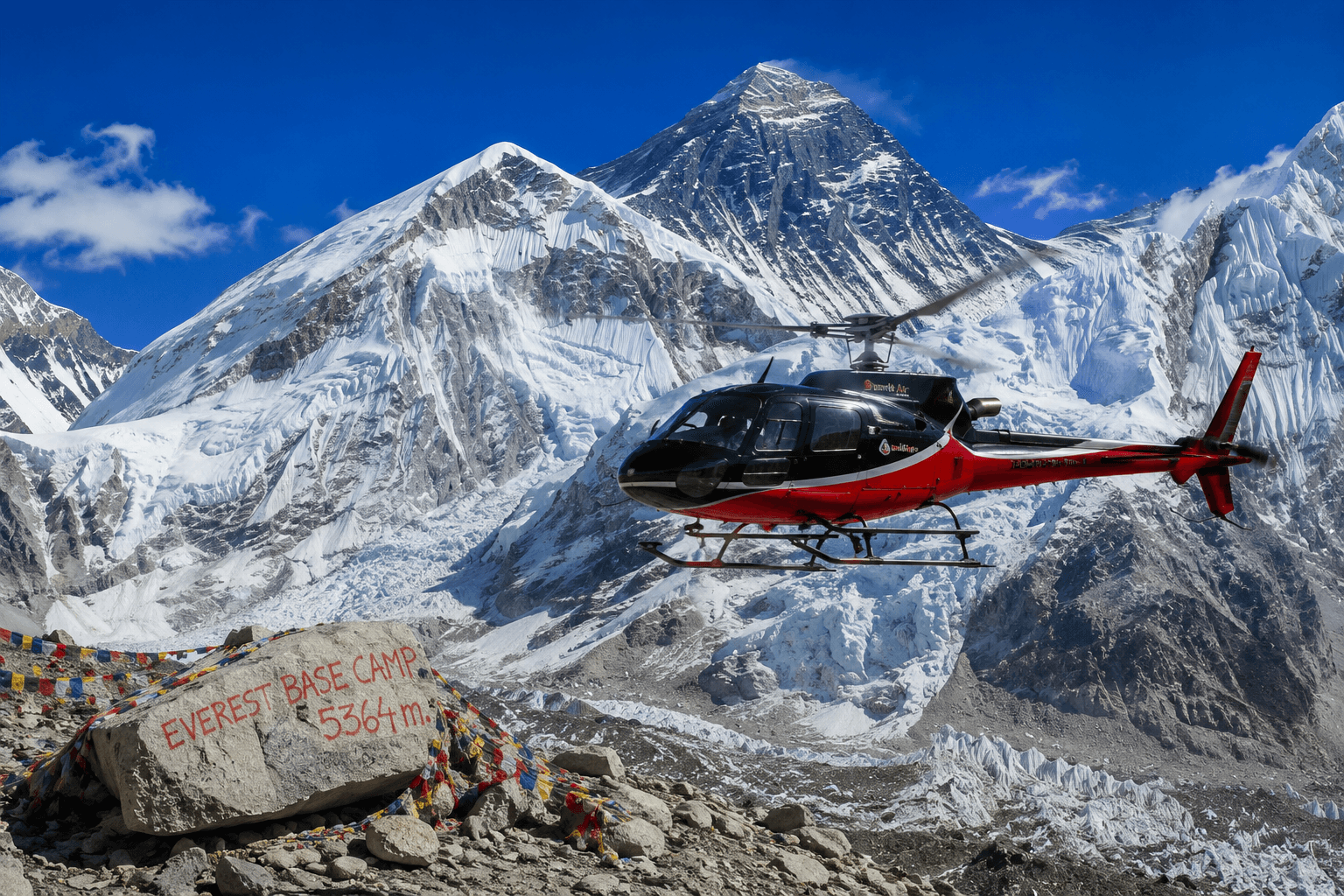
1 DAY · 1–5 PAX
NEPAL TRIP FROM KATHMANDU 2026 |GUIDED HELICOPTER TOUR
Mount Everest
17 DAY(S) · 1–12 PAX
NEPAL TRIP FROM LUKLA 2026 |GUIDED TREK PACKAGE
and the vast Ngozumpa Glacier
12 DAY(S) · 1–12 PAX
NEPAL TRIP FROM KATHMANDU 2026 |GUIDED TREK PACKAGE
Hike Kala Patthar