
Why the 4 Nights 5 Days Bhutan Tour Is the Perfect First Trip to Bhutan
A 4 nights 5 days Bhutan tour brings together the country’s best-known western valleys, sacred landmarks and Himalayan scenery in one well-paced first visit.
In five calendar days, the route connects Paro, Thimphu and Punakha—the classic western Bhutan circuit. It combines the flight into Paro, the capital’s cultural landmarks, Dochula Pass, Punakha Dzong and a rewarding hike to Tiger’s Nest Monastery. With only four hotel nights and limited long-distance driving, it suits couples, families, solo travellers and anyone adding Bhutan to a wider Asian journey.
Five Days Is the Sweet Spot for a First Visit
A three- or four-day trip can introduce Paro and Thimphu, but the additional time needed for Punakha makes the journey more complete. You cross Dochula Pass, descend into a warmer valley and see a landscape very different from Paro and the capital—without taking a long period of annual leave.
Remember that five days does not mean five full sightseeing days. Day 1 normally includes arrival and the transfer to Thimphu, while Day 5 is reserved for departure. The core of the journey is therefore three active touring days.
With a sensible sightseeing order, that is enough time to experience Bhutan’s essential western highlights without turning the country into a rushed checklist.
One Journey, Three Distinct Valleys
The itinerary is popular partly because the landscape and atmosphere change significantly over a relatively short distance.
Paro: Bhutan’s Scenic Gateway
Every international flight into Bhutan lands in the broad Paro Valley, surrounded by forested slopes, mountains and traditional farmhouses. Unlike many international gateways, Paro introduces visitors to Bhutan at a peaceful pace from the moment they arrive.
The valley is home to Rinpung Dzong, the National Museum of Bhutan, Kyichu Lhakhang and the country’s most recognisable landmark—Taktsang Monastery, commonly called Tiger’s Nest.
Paro is both the gateway to Bhutan and, for many visitors, the emotional high point of the entire journey.
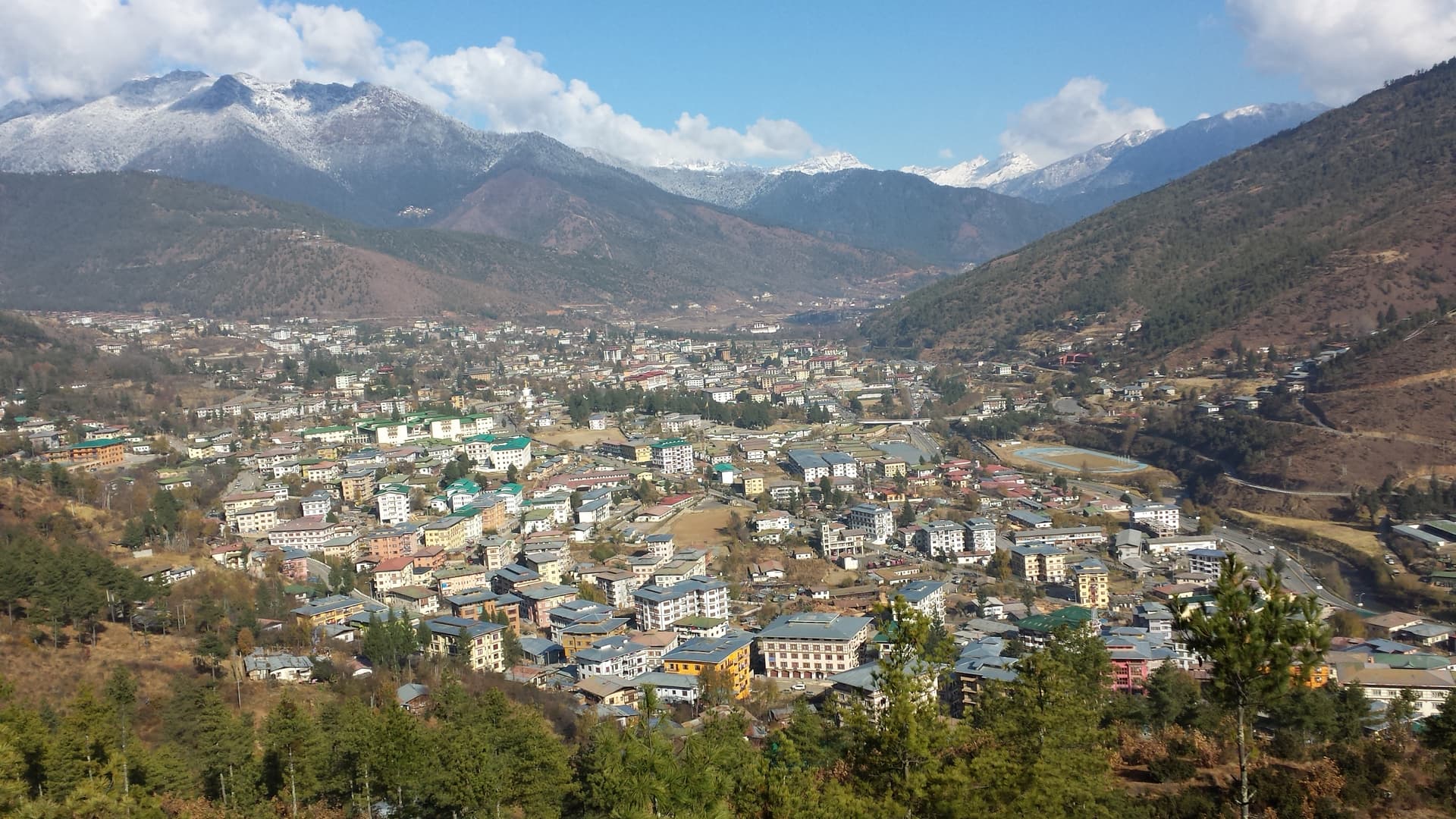
Thimphu: Tradition in a Changing Capital
Thimphu is Bhutan’s political and cultural centre, yet it has retained a strong local identity. Traditional architectural details shape modern buildings, people continue to wear the national dress in everyday life, and monasteries and memorial chortens remain active places of worship.
A thoughtfully arranged Thimphu sightseeing tour may include Buddha Dordenma, the National Memorial Chorten, Tashichho Dzong and a selected craft, textile or cultural centre.
The aim should not be to rush through every available museum. The pleasure of visiting Thimphu comes from observing how Buddhist traditions, traditional arts, government and contemporary life exist side by side.
Punakha: Rivers, Rice Fields and a Magnificent Dzong
The journey from Thimphu to Punakha crosses Dochula Pass at approximately 3,100 metres. Its 108 memorial chortens create one of Bhutan’s most photographed scenes. On a clear day, visitors may also enjoy wide views of the eastern Himalayan mountains.
Beyond the pass, the road descends into the greener and warmer Punakha Valley. Punakha Dzong stands where the Pho Chhu and Mo Chhu rivers meet and is frequently described as Bhutan’s most beautiful fortress-monastery.
Depending on the final itinerary, travellers may also walk through farmland to Chimi Lhakhang, a temple associated with the unconventional Buddhist saint Drukpa Kunley.
The contrast between the cool mountain pass and Punakha’s fertile riverside landscape gives this short tour remarkable variety.
A Typical 4 Nights 5 Days Bhutan Itinerary
Flight schedules, local events, hotel availability and road conditions may affect the sightseeing order, but the classic itinerary normally follows this plan:
Day 1: Arrive in Paro and Drive to Thimphu
Meet your Bhutanese guide at Paro International Airport and travel to Thimphu. The drive normally takes approximately 1½ hours.
If your flight arrives early enough, begin with light sightseeing or an evening walk through the capital.
Day 2: Explore Thimphu and Continue to Punakha
Visit selected cultural landmarks in Thimphu before driving across Dochula Pass. Stop beside the 108 memorial chortens and continue downhill to Punakha for an overnight stay.
Day 3: Visit Punakha and Return to Paro
Explore Punakha Dzong and, when included, enjoy the countryside walk to Chimi Lhakhang. Afterwards, return across Dochula Pass and continue to Paro.
Day 4: Hike to Tiger’s Nest Monastery
Dedicate the day to Bhutan’s most famous hike. After returning to Paro Valley, visit another cultural landmark if your time and energy permit.
Day 5: Depart from Paro
Transfer to Paro International Airport for your flight to Kathmandu, Delhi, Bangkok or another available onward destination.
Travellers interested in this route can review the complete 4 Nights 5 Days Bhutan Tour, including its detailed itinerary, services and customisation options.
Tiger’s Nest Gives the Tour a Powerful Finale
Taktsang Monastery, better known as Tiger’s Nest, clings dramatically to a cliff above Paro Valley at an elevation of approximately 3,120 metres.
According to Bhutanese tradition, Guru Rinpoche reached this sacred location on the back of a tigress and meditated inside a cave. The present monastery complex has become both a national symbol of Bhutan and an important Buddhist pilgrimage site.
The return hike commonly takes between four and six hours, depending on fitness, rest stops and the amount of time spent at the monastery. The trail climbs steadily through pine forest, passing several viewpoints before descending a series of steps towards the temple complex.
It is considered a moderate hike rather than a technical trek, but it still deserves a full day and a comfortable walking pace.
Saving the hike for the final full day is a sensible itinerary choice. By then, travellers have had time to adjust to Bhutan’s elevation, learn about its Buddhist heritage and understand the cultural importance of the monastery.
Reaching Taktsang therefore feels like the culmination of the journey rather than simply another sightseeing stop. Travellers preparing for the walk can read this detailed guide to the Tiger’s Nest hike, difficulty and best season.
The Tour Balances Culture, Scenery and Light Adventure
Many short holidays focus too heavily on either sightseeing or physical activities. This 5-day Bhutan itinerary successfully balances both.
During four nights in Bhutan, travellers can experience:
Active dzongs, temples, chortens and Buddhist traditions
Forested valleys, rivers, rice fields and mountain-pass scenery
A manageable but rewarding Himalayan day hike
Bhutanese architecture, handicrafts and traditional dress
Private road travel with a professional Bhutanese guide
Time for local food, conversation and unhurried observation
This variety makes the tour particularly suitable for couples, families and groups whose members have different interests.
One traveller may be interested in photography, another in Buddhism, another in architecture and another simply in Bhutan’s peaceful natural environment. The route gives everyone something meaningful without requiring previous trekking experience.
It Uses the Bhutan Travel Budget Efficiently
Bhutan is not designed as a cheap mass-tourism destination. International visitors pay a Sustainable Development Fee, while an organised journey also involves accommodation, meals, a certified guide, private transport, a driver, sightseeing fees and visa arrangements.
Naturally, staying longer increases the total tour cost.
A four-night itinerary can therefore be an efficient way to experience Bhutan’s principal western circuit while controlling the overall budget. It retains the landmarks most first-time visitors consider essential without adding the extra hotel nights and long road journeys required for Phobjikha, Trongsa or Bumthang.
As of August 2026, Bhutan’s official visitor information lists the Sustainable Development Fee for most international adults as USD 100 per night, together with a one-time USD 40 visa application fee.
Concessional SDF rates apply to children, while Indian nationals follow a different permit and SDF structure. Because Bhutan’s tourism policies may change, visitors should always confirm the applicable rates before making payment.
It Works Especially Well with a Nepal Holiday
Kathmandu is one of the most convenient flight gateways to Paro, subject to the operating schedule. In clear conditions, the flight may provide memorable views of the Himalayan mountain range.
Travellers can spend several days exploring Nepal, continue to Bhutan for four nights and then return to Kathmandu or fly onwards where flight schedules permit.
Visitors who want both countries arranged within one journey can consider the Kathmandu and Bhutan Wonderful Tour. Travellers who are still comparing the two destinations may also find this article about the wonders of Nepal and Bhutan helpful.
The five-day Bhutan programme also works well after an Everest, Annapurna or Langtang trek. Bhutan’s comfortable hotels, private transport and slower cultural rhythm can provide a welcome change after physically demanding days in the Nepal Himalayas.
Who Is This Bhutan Itinerary Best For?
The Bhutan tour for 4 nights and 5 days is particularly suitable for:
First-time visitors who want Bhutan’s essential western highlights
Couples and honeymooners seeking scenery, privacy and culture
Families with older children who can complete the Tiger’s Nest hike
Solo travellers who prefer organised transport and professional guidance
Mature travellers looking for a cultural journey with one moderate hiking day
Visitors combining Bhutan with Nepal, India, Thailand or another destination
Travellers with limited annual leave who do not want the shortest itinerary
The programme can also be personalised. Luxury hotel upgrades, a traditional hot-stone bath, farmhouse visits, Bhutanese cooking experiences, shorter walks or photography-focused stops may be incorporated according to the traveller’s interests.
When Should You Choose a Longer Bhutan Tour?
Five days is an excellent introduction, but it is not the right duration for everyone. A longer Bhutan itinerary is more suitable if you want to:
Spend time in Phobjikha Valley during the black-necked crane season
Travel across central Bhutan to Trongsa and Bumthang
Attend a multi-day tshechu festival without rushing the standard attractions
Include village stays, meditation, birdwatching or a slower luxury experience
Complete the Druk Path, Jomolhari or another multi-day Bhutan trek
Include additional leisure days or a weather-related travel buffer
The Bhutan tour packages page helps travellers compare short cultural tours with longer regional journeys. Anyone interested in a walking holiday should begin with the guide to planning a trek in Bhutan.
Best Time for a 5-Day Bhutan Tour
Bhutan can be visited throughout the year, although every season creates a different experience.
Spring: March to May
Spring brings relatively mild temperatures, flowering trees and colourful rhododendrons. Festival dates can make certain departures especially appealing, although flights and hotel rooms may sell earlier.
Autumn: September to November
Autumn is popular for generally clear skies, comfortable sightseeing temperatures and Himalayan views. It is also one of Bhutan’s main festival periods.
Winter: December to February
Winter mornings and evenings can be cold, but the western valleys often experience clear days and fewer tourists. Warm clothing is particularly important when crossing Dochula Pass.
Summer: June to August
The summer and monsoon period brings warmer temperatures, greener valleys and intermittent rainfall. Mountain views are less predictable, but visitor numbers are normally lower.
No season can guarantee unobstructed Himalayan panoramas. Festival dates, flight availability and personal travel preferences should therefore be considered alongside the weather.
Practical Planning Before You Book
Bhutan travel is relatively straightforward once the main arrangements are in place, but it is not a destination that should be organised at the last minute.
Bhutan visa: Most international visitors require an approved visa before travelling. Himalayan Windows can arrange the visa application on the traveller’s behalf. Processing may take up to five working days, but applying earlier is recommended.
Flights to Paro: Flight seats may be limited during spring and autumn. Confirm your Bhutan itinerary and flight availability before booking international connections.
Guide and transport: International visitors generally travel with a certified Bhutanese guide. Private transport with a driver makes the Paro–Thimphu–Punakha circuit comfortable and flexible.
Physical fitness: General sightseeing is easy, but the Tiger’s Nest hike requires several hours of steady walking. Inform the operator in advance about knee, back, heart or mobility concerns.
Travel insurance: Insurance should cover medical treatment, trip interruption, flight disruption and hiking-related incidents.
Packing: Bring layered clothing, broken-in walking shoes, sun protection, a reusable water bottle and rainwear. Respectful clothing is required when visiting temples and dzongs.
For additional preparation, entry procedures and tour-cost information, read how to plan a Bhutan tour or review the Bhutan travel FAQs.
Is Four Nights and Five Days Really Enough for Bhutan?
Four nights and five days are enough for a rewarding first visit to western Bhutan, provided that travellers arrive with realistic expectations.
You will not see the entire country, and you should not attempt to do so. Instead, the itinerary concentrates on three complementary valleys and gives the Tiger’s Nest hike the time it deserves.
That focus is the secret of the tour’s popularity. The journey is short without feeling superficial, active without becoming a demanding trek and organised without removing the sense of discovery.
Within a single holiday, you can stand beneath Thimphu’s giant Buddha, cross a Himalayan mountain pass, walk through Punakha’s countryside, explore a spectacular riverside dzong and climb through pine forest to Bhutan’s most sacred cliffside monastery.
For many travellers, these five days are not the end of their relationship with Bhutan. They are the beginning—and an invitation to return for its remote valleys, traditional festivals and longer Himalayan trails.
Plan your trip
Ready to experience this yourself?
Our Kathmandu-based specialists build tailor-made treks and tours across Nepal, Tibet and Bhutan — tell us what you want.