
Nepal and Bhutan Tour: Explore Two Himalayan Kingdoms in One Journey
Combine Nepal's lively heritage cities, Himalayan scenery and wildlife with Bhutan's peaceful valleys, cliffside monasteries and living Buddhist culture. This practical Nepal and Bhutan tour guide covers flights, visas, the best time to travel, suggested itineraries and the experiences worth building into one unforgettable journey.
A Nepal and Bhutan tour brings together two neighboring Himalayan countries that feel wonderfully different. Nepal offers lively temple squares, dramatic mountain journeys, lakeside relaxation and wildlife-rich lowlands; Bhutan moves at a gentler rhythm through forested valleys, fortress-monasteries and deeply rooted Buddhist traditions. Connected by a short flight between Kathmandu and Paro, the two destinations form one of Asia's most rewarding cultural and scenic journeys - especially when the route, visas, flights and pacing are planned as one seamless trip.
Nepal and Bhutan Tour: Explore Two Himalayan Kingdoms in One Journey
A Nepal and Bhutan tour brings together two neighboring Himalayan countries that feel wonderfully different. Nepal offers lively temple squares, dramatic mountain journeys, lakeside relaxation and wildlife-rich lowlands; Bhutan moves at a gentler rhythm through forested valleys, fortress-monasteries and deeply rooted Buddhist traditions. Connected by a short flight between Kathmandu and Paro, the two destinations form one of Asia's most rewarding cultural and scenic journeys - especially when the route, visas, flights and pacing are planned as one seamless trip.
Few international journeys offer as much variety within such a compact region as a combined trip through Nepal and Bhutan. Both countries rise from subtropical foothills toward the high Himalayas, both preserve centuries-old religious traditions, and both reward travelers who value landscapes as much as monuments. Yet the character of each destination is distinct. Nepal is energetic, layered and spontaneous; Bhutan is quieter, carefully paced and shaped by a strong national commitment to cultural and environmental preservation.
That contrast is precisely why a Nepal Bhutan tour works so well. You might begin among the courtyards, shrines and market lanes of Kathmandu, continue to the mountain horizons of Pokhara or the forests of Chitwan, and then fly into Paro for a very different Himalayan experience. In Bhutan, dzongs command river valleys, prayer flags cross mountain passes, and daily life still follows traditions that are visible in dress, architecture, festivals and monastic practice.
This guide explains what to see, how to travel from Nepal to Bhutan, how long to allow, when to go, what the current visa and Sustainable Development Fee rules mean, and which itinerary style may suit you. It is written for travelers who want more than a checklist: a well-balanced journey with enough time to understand the places they visit.
Why Visit Nepal and Bhutan Together?
Nepal and Bhutan are often described together as Himalayan destinations, but combining them is not repetitive. Nepal provides a broad spectrum of experiences, from UNESCO-listed heritage and Hindu pilgrimage sites to trekking, jungle safaris and relaxed lake towns. Bhutan adds an intimate encounter with Vajrayana Buddhist culture, protected landscapes and a distinctive architectural identity. One country adds energy and variety; the other adds stillness and depth.
A combined route is also practical. Kathmandu is one of the principal regional gateways for flights to Paro, and many international travelers already enter South Asia through Nepal. Instead of treating Bhutan as a separate holiday, you can connect the two countries with a short regional flight and one coordinated plan. Flight schedules vary by season and should always be checked for the intended travel dates, but the connection is far simpler than it may appear when visas, hotels and transfers are organized together.
There is also a meaningful cultural thread between the two countries. The Kathmandu Valley has been a meeting place for Hinduism and Buddhism for centuries, while Bhutan's monasteries, chortens and dzongs reveal a living Himalayan Buddhist tradition. Sacred art, pilgrimage, prayer flags, woodcarving and mountain geography create points of connection, but each destination expresses them in its own way. Travelers return with a richer understanding of the Himalayas as a cultural region rather than only a range of high mountains.
Destination | Travel character | Experiences to prioritize |
Nepal | Lively, diverse and highly flexible | Kathmandu Valley heritage, Pokhara, Chitwan, Lumbini, trekking and mountain scenery |
Bhutan | Quiet, guided and culturally immersive | Paro, Thimphu, Punakha, Tiger's Nest, dzongs, monasteries and forested valleys |
The Essential Nepal Experiences
Kathmandu Valley: a living heritage landscape
Kathmandu is more than a gateway to the mountains. The valley's historic cities hold palace courtyards, pagoda temples, Buddhist stupas, stone sculptures and active shrines within neighborhoods that are still very much alive. The Kathmandu Valley World Heritage property includes seven monument zones, among them Kathmandu, Patan and Bhaktapur Durbar Squares, Swayambhunath, Boudhanath, Pashupatinath and Changu Narayan.
A thoughtful Kathmandu program should not rush all of these places into one day. Boudhanath is best appreciated with time to walk the kora among monks and local families. Pashupatinath requires sensitive interpretation because it is an active Hindu cremation and pilgrimage site. Patan and Bhaktapur reward slow exploration of courtyards, workshops and smaller temples beyond the main squares. A knowledgeable local guide turns carved struts and ritual spaces into a coherent story rather than a sequence of photographs.
Pokhara: Himalayan views and a softer pace
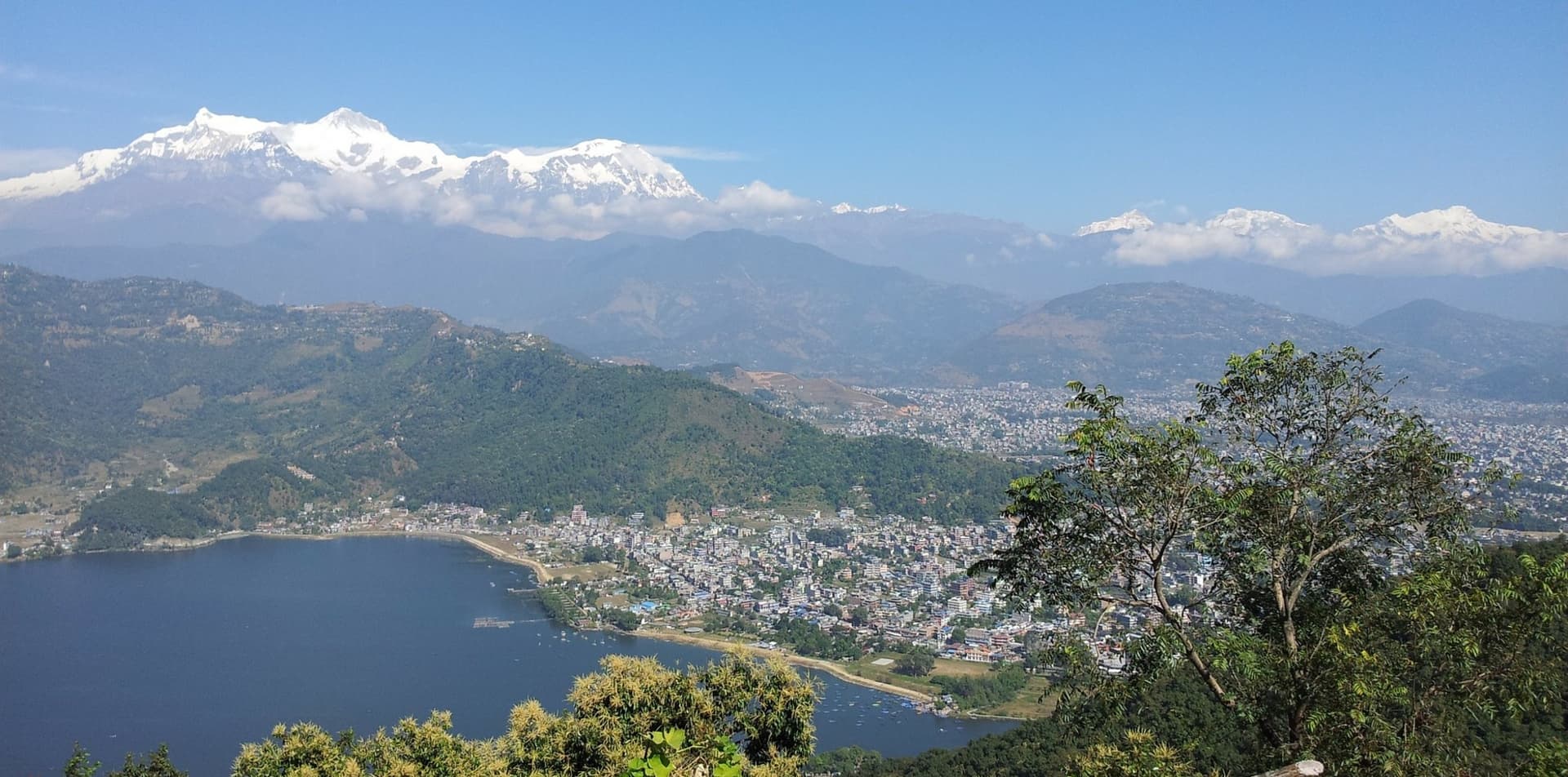
Pokhara offers a refreshing contrast after Kathmandu. The city sits beside Phewa Lake with the Annapurna and Machhapuchhre ranges rising beyond the hills. Clear mornings may reveal superb mountain views, while the lakeside area offers cafes, short walks and an easy rhythm. Depending on the season and weather, travelers can visit Sarangkot for sunrise, explore the International Mountain Museum, take a boat on the lake or use Pokhara as the starting point for a short Annapurna foothill trek.
For many Nepal and Bhutan tour packages, Pokhara is the best addition when the schedule allows two or three extra days. It delivers Himalayan scenery without requiring a strenuous trek, making it suitable for couples, families, senior travelers and culture-focused visitors.
Chitwan, Lumbini or a Nepal trek: choose by interest
With more time, Nepal can be tailored in very different directions. Chitwan National Park adds subtropical forests, river landscapes, canoe excursions and guided wildlife activities. Sightings are never guaranteed, but the change in environment is dramatic. Lumbini, the birthplace of the Buddha, is the stronger choice for travelers following the spiritual connection between Nepal and Bhutan. Its Sacred Garden and international monastic zone create a contemplative bridge to Bhutan's Buddhist heritage.
Active travelers can instead add a Himalayan trek. Short routes near Pokhara fit a moderate schedule, while the Annapurna Base Camp or Everest Base Camp journeys require a much larger time commitment, good fitness and proper acclimatization. Those who want a major Nepal trek followed by a brief cultural finish in Bhutan can consider the Everest Base Camp Trek with Bhutan Tour. The contrast between trekking days and Bhutan's serene valleys makes the long journey especially memorable.
The Essential Bhutan Experiences
Paro and the Tiger's Nest Monastery
Paro provides one of the world's most memorable arrivals. The airport lies in a broad valley surrounded by wooded slopes, traditional farmhouses and historic religious sites. Paro Dzong and the National Museum introduce Bhutan's political, artistic and spiritual history, but the valley's defining experience is the hike to Taktsang Monastery, better known as Tiger's Nest.
Clinging to a cliff above the valley at roughly 3,120 meters, Tiger's Nest is sacred to Bhutanese Buddhists and iconic to visitors. The return hike commonly takes four to six hours, depending on pace and time spent at the monastery. It includes sustained uphill walking, stone steps and altitude, so it should not be placed immediately after a tiring international arrival. A rest stop at the viewpoint cafeteria and a steady pace make the day manageable for many reasonably active travelers. Our complete guide to hiking Tiger's Nest explains the route in greater detail.
Thimphu: tradition within a modern capital
Thimphu is Bhutan's capital, yet it does not feel like a conventional city. Traditional architectural forms remain prominent, hills frame the urban area, and institutions of government, religion and craft sit close together. Possible visits include the Memorial Chorten, Buddha Dordenma, the Folk Heritage Museum, textile and craft centers, markets and Tashichho Dzong when access is permitted.
The value of Thimphu lies not only in its landmarks. It is the best place to discuss how contemporary Bhutan balances education, urbanization, environmental policy, spiritual traditions and the philosophy of Gross National Happiness. A good guide can add local context without turning the day into a lecture.
Punakha, Dochula Pass and the warmer valleys
The drive from Thimphu to Punakha crosses Dochula Pass, where 108 chortens stand against a mountain backdrop that appears in clear weather. Descending from the pass, the climate becomes warmer and the vegetation changes. Punakha Dzong occupies a striking position at the meeting of the Pho Chhu and Mo Chhu rivers and remains one of Bhutan's most beautiful and historically important fortresses.
Punakha deserves at least one night when time permits. Travelers can walk through farming villages, cross a suspension bridge, visit Chimi Lhakhang or follow gentler riverside trails. Staying overnight avoids reducing the valley to a long day trip and adds a more relaxed rural experience to the journey.
Phobjikha and central Bhutan for longer journeys
Travelers with 12 to 14 days for the combined trip may extend beyond western Bhutan to Phobjikha Valley. This broad glacial valley is known for Gangtey Monastery, village walks and the black-necked cranes that winter in the area, generally from late autumn into winter. Those with still more time can continue toward Trongsa and Bumthang for deeper exposure to central Bhutan's monasteries, valleys and historic routes. Road journeys are scenic but slow, so these regions should be added only when the itinerary has enough breathing space.
How to Travel from Nepal to Bhutan
For most international visitors, the most convenient way to combine Nepal and Bhutan is to fly from Kathmandu to Paro. Bhutan Airlines and Drukair publish regional schedules, but days of operation and timings can change. Your itinerary should therefore be built around the confirmed flight rather than assuming a daily departure. Himalayan weather can also affect operations, so avoid scheduling a tightly timed long-haul connection immediately after returning from Bhutan.
The flight itself can be a highlight. Depending on the route, weather and seat position, there may be views of Himalayan peaks before the aircraft descends into Paro Valley. No mountain view can be guaranteed, but the approach into Paro is dramatic in almost any conditions.
Kathmandu also works well as the administrative base for a Bhutan tour from Nepal. A regional specialist can coordinate the Bhutan visa, Sustainable Development Fee, flight reservation, airport transfers and the handover between the Nepal and Bhutan teams. This prevents common problems such as mismatched dates, unsuitable connection times or an itinerary that places the Tiger's Nest hike too early.
Nepal and Bhutan Visa Requirements: Current Planning Notes
Nepal and Bhutan have separate entry systems. Many nationalities can obtain a tourist visa on arrival in Nepal, with current standard options of 15 days for US$30, 30 days for US$50 or 90 days for US$125. Some nationalities are not eligible for visa on arrival, and rules can change, so travelers should check Nepal's official Department of Immigration guidance for their passport before departure. Indian citizens do not require a Nepal visa but must carry accepted identification.
For Bhutan, most international visitors require a visa approved before travel. The current one-time visa application fee is US$40. The standard Sustainable Development Fee is US$100 per adult per night, with concessions for children: ages six to under 12 pay US$50 per night and children under six are exempt. Indian nationals use a permit system and pay a different SDF rate; specific arrangements also apply to visitors from Bangladesh and the Maldives.
Bhutan states that a correctly submitted application can take up to five working days, but it is wiser to complete the process earlier, particularly around holidays and festival periods. A tour operator or hotel can apply on a traveler's behalf. HimalayanWindows can coordinate the application as part of a complete trip and confirm which passport scan, photograph and travel details are needed. For a step-by-step overview, see how to obtain a Bhutan visa when traveling from Nepal.
Some older travel articles still claim that every Bhutan visitor must buy a fixed minimum daily package or arrange every service through a tour operator. That is no longer the general rule. Independent booking is possible, although approved accommodation, current guide requirements for monuments and dzongs, SDF payment and visa rules still apply. Many travelers nevertheless prefer an organized private journey because road transport, guide services, cultural interpretation and schedule changes are easier to manage with one responsible local team.
Best Time to Visit Nepal and Bhutan
The most consistently favorable periods for a combined Nepal and Bhutan journey are spring, from March to May, and autumn, from late September through November. These seasons generally offer comfortable touring temperatures, active cultural calendars and better conditions for Himalayan views. October is especially popular and should be booked well in advance; April is another strong all-round month, with spring color and good conditions for walking.
Spring brings rhododendron blooms in many hill regions and is well suited to trekking, heritage touring and the Tiger's Nest hike. Pre-monsoon haze can occasionally soften distant mountain views, especially later in May, but the landscapes are vibrant. Festival dates in both countries vary, and Bhutanese tshechu dates follow local calendars, so travelers interested in a specific celebration should plan around officially confirmed dates rather than assume the same timing every year.
Autumn usually brings clearer skies after the monsoon. September can remain changeable early in the month, while October and November are typically excellent for cultural travel and trekking. This is also the busiest period, so flights to Paro, preferred hotels and experienced guides may fill early.
Winter, from December to February, is an underrated option for a cultural Nepal and Bhutan tour. Kathmandu, Pokhara, Paro, Thimphu and Punakha remain accessible, visitor numbers are lower, and mornings can be beautifully clear. Nights are cold, high passes may receive snow and shorter daylight requires sensible pacing. Winter also suits travelers interested in Phobjikha's black-necked crane season.
The summer monsoon, broadly June through August and sometimes into September, brings lush landscapes, fewer visitors and periodic rain. Cultural trips remain possible, but clouds may obscure mountain views, trails can be slippery, and flooding or landslides can affect roads and flights. Travelers who choose this period should keep some flexibility and avoid overly ambitious road itineraries.
How Many Days Do You Need?
Seven days is the practical minimum for a short Kathmandu and western Bhutan combination. A compact plan can include two full heritage days in the Kathmandu Valley followed by Paro, Thimphu and the Tiger's Nest hike. The 7-day Kathmandu and Bhutan Wonderful Tour is designed for travelers with limited time, but it should be approached as a focused introduction rather than a complete exploration of both countries.
Ten to 12 days is the strongest choice for a first trip. This allows Kathmandu, Pokhara and the principal western Bhutan valleys without constant packing. Fourteen days or more opens the door to Chitwan, Lumbini, a short Nepal trek, Punakha, Phobjikha or a more relaxed hotel standard. Travelers who prefer premium properties, private experiences and unhurried transfers can review the 14-day Luxury Nepal and Bhutan Tour.
A Balanced 12-Day Nepal and Bhutan Itinerary
The following route is a useful starting point rather than a rigid formula. It keeps the major experiences, avoids unnecessary backtracking and places the Tiger's Nest hike near the end, after several nights at moderate altitude.
Day | Route | Journey focus |
1 | Arrive in Kathmandu | Airport welcome, hotel check-in and a gentle neighborhood walk if energy allows. |
2 | Kathmandu heritage | Visit Swayambhunath, Kathmandu Durbar Square and Boudhanath with a local guide. |
3 | Patan, Pashupatinath or Bhaktapur | Choose the sites that best match cultural and spiritual interests; avoid overloading the day. |
4 | Kathmandu to Pokhara | Fly or drive to Pokhara; relax beside Phewa Lake. |
5 | Pokhara | Sunrise or mountain-view program, local sightseeing and free time by the lake. |
6 | Return to Kathmandu | Return flight or drive; final Nepal evening and preparation for Bhutan. |
7 | Fly Kathmandu to Paro; drive to Thimphu | Arrival assistance, valley views and an easy introductory program. |
8 | Thimphu | Cultural sites, crafts, markets and discussion of contemporary Bhutan. |
9 | Thimphu to Punakha | Cross Dochula Pass, visit Punakha Dzong and stay in the warmer valley. |
10 | Punakha to Paro | Village or riverside experience before returning across Dochula. |
11 | Tiger's Nest hike | Walk to Taktsang Monastery at a comfortable pace with time for the sacred site. |
12 | Depart Paro | Fly onward according to the operating schedule and chosen international route. |
This itinerary can be reshaped easily. Chitwan may replace Pokhara for wildlife interests; Lumbini can be added for a Buddhist pilgrimage focus; Punakha can be removed to create a shorter Bhutan sector; and extra nights can slow the trip for families or senior travelers. If time is extremely limited, keep the journey centered on Kathmandu, Paro and Thimphu rather than collecting too many destinations.
Which Nepal Bhutan Tour Style Is Right for You?
Cultural highlights
For a first visit, a culture-led itinerary is the most balanced choice. Combine Kathmandu Valley heritage with Paro, Thimphu and Punakha. Add Pokhara for scenery or Lumbini for a stronger spiritual thread. This style suits most ages and does not require technical fitness, although the Tiger's Nest hike remains a demanding walking day.
Soft adventure
A soft-adventure route adds short hikes, village walks, rafting where appropriate, cycling or a one- to three-night Nepal foothill trek. It keeps comfortable hotels while bringing travelers closer to rural landscapes. The pace should include recovery time between active days and long drives.
Major trekking plus Bhutan
Serious trekkers should devote the necessary days to acclimatization and avoid compressing the trek to make room for Bhutan. A post-trek Bhutan visit works beautifully because it replaces daily trail demands with cultural touring, but at least one buffer day in Kathmandu is sensible before the flight to Paro. Travel insurance should cover the highest planned trekking altitude, medical treatment, evacuation and trip interruption.
Luxury and private travel
Private travel allows a flexible pace, carefully selected rooms, better-positioned hotels and more control over meals and daily timing. Luxury in the Himalayas is not only about five-star properties; it is also about reliable coordination, a thoughtful guide, an appropriate vehicle, access to quieter experiences and the freedom to adjust a day when weather or energy changes.
What Does a Nepal and Bhutan Tour Cost?
There is no single useful price for every Nepal Bhutan tour package because the total depends on trip length, hotel category, group size, domestic flights, private transport, monument fees and whether trekking or wildlife activities are included. Bhutan's SDF and visa fee are clear government charges, while the Kathmandu-Paro airfare changes with date and availability. October, April and festival periods often require earlier booking and may reduce hotel choice.
When comparing quotations, check more than the headline total. Confirm whether the Bhutan SDF, visa fee, regional flight, airport taxes, guide, driver, private vehicle, monument entrances and meals are included. In Nepal, review domestic flights, national park charges, trekking permits, porter services and airport transfers. A transparent quotation should also distinguish optional upgrades and personal expenses so the final cost does not grow through surprises.
Responsible and Respectful Travel
The cultural depth of Nepal and Bhutan depends on visitors treating sacred places as living spaces. Dress modestly at temples, dzongs and monasteries; follow instructions about shoes, hats and photography; walk clockwise around Buddhist stupas and chortens when local custom requires it; and never photograph cremation rituals or worshippers without permission. In Bhutan, a certified guide is required to enter monuments and dzongs, and tourist drone use is generally restricted without advance permission.
Environmental care matters just as much. Carry a refillable bottle where safe refill systems are available, avoid single-use plastic, keep to established trails, do not disturb wildlife and support locally made crafts. The SDF contributes to Bhutan's development and conservation, but responsible behavior remains the visitor's own duty. In Nepal, choosing experienced local guides and fairly managed porter services helps tourism benefit the communities that make the journey possible.
Why Plan with HimalayanWindows?
A two-country trip has several moving parts: separate entry requirements, a limited regional flight network, different local operating systems and weather-sensitive mountain travel. HimalayanWindows brings these pieces together through one Kathmandu-based point of contact and trusted local coordination in Bhutan. The goal is not to make every traveler follow the same program, but to shape the trip around available time, comfort, interests and walking ability.
That personal touch begins before arrival. We discuss whether you prefer temples or trails, whether early starts suit you, how much driving feels comfortable and which hotel standard matters most. We then match the route to real flight schedules, prepare the Bhutan visa process, arrange private transfers and connect each destination with a suitable guide. During the journey, our team remains available to respond if weather, flights or personal circumstances require an adjustment.
Honest pacing is especially important in the Himalayas. We will tell you when an itinerary is trying to cover too much, when a buffer day is worthwhile, and when a shorter route may deliver a better experience. Travelers can read more about our service approach on Why Travel with HimalayanWindows?.
Frequently Asked Questions
Can I visit Nepal and Bhutan on the same trip?
Yes. Kathmandu and Paro are connected by regional flights, making the two countries practical to combine. The best plan coordinates the Bhutan visa, flight schedule and hotel dates before finalizing the Nepal sector.
How long should a Nepal and Bhutan tour be?
Allow at least seven days for a short introduction and preferably 10 to 14 days for a balanced first journey. Longer trips can add Chitwan, Lumbini, a Nepal trek, Punakha, Phobjikha or central Bhutan.
What is the best time to visit Nepal and Bhutan?
Spring from March to May and autumn from late September to November are the strongest all-round periods. Winter is excellent for lower-altitude cultural touring, while the monsoon offers green landscapes but more weather disruption.
Are there direct flights from Kathmandu to Paro?
Kathmandu-Paro flights operate through Bhutan's airlines, but the days and timings vary by season. Build the itinerary around the confirmed operating schedule and leave sensible time before onward international connections.
Do I need separate visas for Nepal and Bhutan?
Yes. Each country has its own entry system. Many travelers can obtain a Nepal tourist visa on arrival, while most visitors need Bhutan visa approval before travel. Passport-specific exceptions should always be checked.
How much is Bhutan's SDF?
The current standard SDF is US$100 per adult per night. Children aged six to under 12 pay US$50 per night and children under six are exempt. Indian nationals pay a separate rate under the permit system.
Must I book Bhutan through a tour operator?
Independent booking has been possible since Bhutan reopened in 2022, so the old compulsory package rule is outdated. However, visas, the SDF, approved services and guide requirements at monuments still need careful coordination.
Should I visit Nepal or Bhutan first?
Either order can work, but many travelers begin in Nepal because Kathmandu is a convenient international and regional gateway. The final order should follow flight availability, festival dates and the preferred international route.
Is the trip suitable for families or senior travelers?
Yes, with appropriate pacing. Cultural touring can be adapted with shorter walking days, comfortable vehicles and extra nights. The Tiger's Nest hike needs an honest fitness assessment, but alternative Paro experiences are available.
Can I add Tibet to the same journey?
Yes, subject to Tibet permit, visa and route conditions. Travelers interested in all three destinations can explore the Nepal, Tibet and Bhutan tour and should allow additional processing time and itinerary flexibility.
A Journey of Contrast, Connection and Personal Discovery
A Nepal and Bhutan tour is compelling because it does not deliver one repeated version of the Himalayas. Nepal opens the journey with movement, diversity and a remarkable concentration of landscapes and faiths. Bhutan slows the pace, drawing attention to valleys, monasteries, community traditions and the relationship between cultural preservation and modern life.
Planned together, the two countries create a journey that feels complete: sacred cities and quiet dzongs, busy bazaars and forest paths, mountain panoramas and personal encounters. The best itinerary is not necessarily the one with the most stops. It is the one that gives each place enough time to become more than a photograph. HimalayanWindows can customize a private Nepal and Bhutan tour package around your interests, travel dates and preferred level of comfort, with personal assistance from the first planning conversation to the final airport transfer.
Plan your trip
Ready to experience this yourself?
Our Kathmandu-based specialists build tailor-made treks and tours across Nepal, Tibet and Bhutan — tell us what you want.