
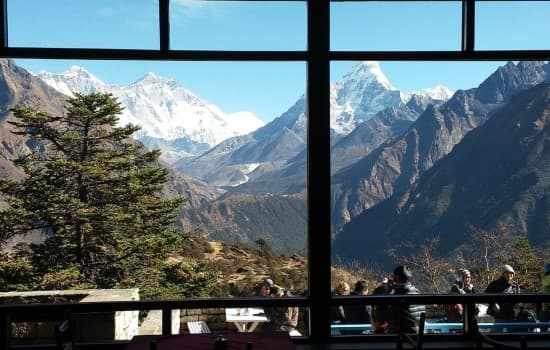
All You Need to Know Before Planning Everest Base Camp Trek
Planning your Everest Base Camp trek is exciting, but it naturally brings questions. How difficult will the walking be? Will you sleep comfortably? What happens if the Lukla flight is cancelled? At HimalayanWindows, we believe these everyday details deserve as much attention as the mountain views. Drawing on the advice we share with our guests, this guide helps you prepare for the journey, understand life on the trail and choose an itinerary that gives you time to enjoy it.
The Everest Base Camp trek brings together extraordinary mountain scenery, Sherpa hospitality and the quiet satisfaction of making your way through the Himalayas on foot. Before setting out, however, it helps to understand the everyday realities—from Lukla flight delays and acclimatization to lodge comforts, food and packing. At HimalayanWindows, these are the questions we discuss with our guests when planning their journey. This guide shares our practical advice to help you arrive prepared, choose a comfortable pace and enjoy the experience, whether you follow the classic route, extend to Gokyo and the Three Passes, or explore a quieter alternative.
Planning your Everest Base Camp trek is exciting, but it naturally brings questions. How difficult will the walking be? Will you sleep comfortably? What happens if the Lukla flight is cancelled? At HimalayanWindows, we believe these everyday details deserve as much attention as the mountain views. Drawing on the advice we share with our guests, this guide helps you prepare for the journey, understand life on the trail and choose an itinerary that gives you time to enjoy it.
Everest Base Camp Trek General FACTS
Title | Facts |
Everest Base Camp Trek Duration | 12 Days (Lukla-Lukla) |
Maximum Elevation | 5545m/18,188ft above the sea level |
Location | Solukhumbu District |
Distance from Lukla (KM) | Approx. 130 Kilometers (Back and forth) |
Range | Everest Range |
Trail Name | Everest Base Camp Trek |
Everest Base Camp Trek Difficulty | Moderate/Strenuous |
Accommodation | Tea houses |
Everest Base Camp Trek Best Season | March, April, May & Sep, Oct, Nov, Dec |
What to expect: distance, altitude and difficulty
Nepal’s Everest Base Camp stands at approximately 5,364 metres. Most trekkers visit during the day and sleep at Gorak Shep, around 5,164 metres. Kala Patthar, commonly quoted at 5,545 metres, is the famous nearby viewpoint; elevations vary with the point reached. Everest’s summit is largely hidden from the usual base-camp visitor area, so Kala Patthar offers the more recognisable Everest panorama.
The classic return walk from Lukla is roughly 130 kilometres, depending on side hikes. Everest Base Camp trek difficulty comes from repeated walking days, rough ground, cold nights and altitude. Under ordinary conditions, this is trekking rather than technical climbing, but it still deserves serious preparation.
When comparing an Everest Base Camp trek 14 days package, look beyond the headline duration. Check how many days are spent walking and whether arrival, preparation and weather buffers are included. A little extra time can make the whole experience less pressured.
A sensible itinerary and acclimatization plan
The suggested itinerary below includes two acclimatization days and an additional night at Thukla before Lobuche to break up the ascent. It is a starting point for planning together. Altitudes and times are approximate; gains show the change in sleeping altitude, not all the climbing during the day.
Day | Route or activity | Sleep altitude | Net change | Walking |
1 | Arrive in Kathmandu | 1,400 m | — | — |
2 | Gear check; transfer to Ramechhap if needed | Variable | — | — |
3 | Fly to Lukla; walk to Phakding | 2,610 m | Flight ascent | 3–4 hr |
4 | Phakding to Namche Bazaar | 3,440 m | +830 m | 6–7 hr |
5 | Namche acclimatization hike | 3,440 m | 0 m | 2–4 hr |
6 | Namche to Tengboche | 3,860 m | +420 m | 5–6 hr |
7 | Tengboche to Dingboche | 4,410 m | +550 m | 5–6 hr |
8 | Dingboche acclimatization hike | 4,410 m | 0 m | 2–4 hr |
9 | Dingboche to Thukla | 4,620 m | +210 m | 2–3 hr |
10 | Thukla to Lobuche | 4,910 m | +290 m | 3–4 hr |
11 | Gorak Shep; EBC visit and return | 5,164 m | +254 m | 7–9 hr |
12 | Kala Patthar; descend to Pheriche | 4,240 m | −924 m | 7–9 hr |
13 | Pheriche to Namche | 3,440 m | −800 m | 6–8 hr |
14 | Namche to Lukla | 2,860 m | −580 m | 6–8 hr |
15 | Fly out; return to Kathmandu | 1,400 m | Descent | — |
Keep days 16–17 flexible, with international departure on day 18 or later. These contingency days are separate from the two Everest Base Camp acclimatization days. No buffer guarantees protection against prolonged disruption. The larger gains to Namche and Dingboche merit particular attention; an extra intermediate night may be appropriate.
We like to keep acclimatization days purposeful but relaxed. If you feel well, a gentle 3–4-kilometre walk around nearby viewpoints can be enough; the distance and height should suit you. Around Namche, consider Syangboche; at Dingboche, explore the lower Nangkartshang slopes. Return to the same lodge, eat well and leave time to rest. Reaching the top of a viewpoint is optional.
Kathmandu or Ramechhap: our practical flight advice
For Kathmandu to Lukla flights, our first preference is a direct morning departure when available. We would avoid building your trek around an afternoon flight. If that is the only direct option, compare an early Ramechhap flight with a shared Kathmandu–Lukla helicopter seat. Morning departures are our preference, although weather can affect any flight.
We recommed morning flights and note weather disruption. Departure airports can change with seasonal operations, so confirm your actual routing before booking transfers.
For a Ramechhap to Lukla flight, we recommend travelling the previous day when time permits. Stay at a suitable hotel or resort within practical reach of Manthali Airport, then take a short morning transfer. Starting a long drive from Kathmandu around 3–4 a.m. is tiring and may be too late for an early flight. The previous-day transfer is a much more comfortable beginning.
A shared helicopter is another option. Ask us to check availability and the current fare for your dates, including baggage, taxes and any credit for an unused airline ticket. Helicopters also depend on safe weather.
Enjoy the thrilling flight. After landing, meet the trekking team, have breakfast if needed, organise bags and begin gently towards Phakding. The Lukla to Namche Bazaar trek is normally split over two walking days.
The best season and how to prepare
The best time to trek Everest Base Camp is generally spring, March–May, or autumn, especially October–November. Spring brings longer days and expedition activity; autumn often offers clear views with increasingly cold nights. September can retain monsoon rain. Winter brings harsher cold and possible snow disruption; summer brings cloud, rain and unreliable access. These broad patterns are reflected in Nepal Tourism Board’s Sagarmatha guidance.
Even an Everest Base Camp trek in autumn needs flexibility. We recommend checking the forecast and the latest road, bridge and trail conditions close to departure, especially if you plan to cross high passes. Pack for cold evenings and sudden changes, whatever the season.
Prepare steadily through regular walks, stairs and hills, gradually building towards longer hikes with your daypack. Include consecutive walking days and downhill sections, which can be hard on the knees. Break in your footwear well before travelling and allow yourself some rest before departure. You do not need to be an athlete, but being comfortable with sustained walking makes the trek more enjoyable. Fitness does not prevent altitude illness.
Altitude, hydration and the Khumbu cough
Concern about altitude sickness on the Everest Base Camp trek is understandable. The most useful preparation is a gradual itinerary and a willingness to tell your guide how you feel. Above 3,000 metres, CDC guidance generally recommends sleeping-altitude gains of no more than about 500 metres daily, with additional acclimatization time. Discuss the larger gains in any proposed itinerary and add nights where needed.
Tell your guide about headache, nausea, dizziness or unusual fatigue. Do not ascend with symptoms; descend if they worsen despite rest. Breathlessness at rest, confusion or difficulty walking straight require urgent medical help and descent. CDC altitude guidance explains these warning signs.
Cold, dry air can irritate your throat, particularly higher up. Trekkers often call this the Khumbu cough. A neck gaiter, warm drinks and avoiding smoke may help comfort, but do not assume every cough is harmless. Report worsening cough, fever, chest symptoms or breathlessness promptly.
Consult your doctor before travel about altitude prevention, existing conditions and suitable medication. Bring your regular prescriptions and agreed first-aid supplies; do not rely on unfamiliar remedies or borrow another trekker’s medicine. Garlic soup and ginger tea are comforting food and drink, not altitude treatments. Drink regularly without forcing excessive water.
Lodge life: beds, showers, charging and toilets
Teahouses are part of the experience: simple rooms, a communal dining area and a warm meal at the end of the day. Standard accommodation is usually a twin room with shared toilet facilities. Tell us if you are happy to share or would prefer your own room; single rooms cannot always be guaranteed higher up. Attached bathrooms and upgraded lodges cost more. Bedrooms are generally unheated, even when the dining room has a stove.
Give yourself time to enjoy Namche Bazaar. A stop for cake or freshly baked bread at German Bakery is a welcome treat after walking, and the town is a lovely place to slow down and watch daily life. Save celebratory alcohol until you have completed the trek and returned to lower altitude.
Hot showers, battery charging, hot drinking water and Wi-Fi are usually extras unless specifically included. An ensuite room may include a shower, but ask: an attached bathroom does not guarantee unlimited hot water. Carry Nepalese rupees, including small notes, rather than relying on cards or ATMs.
Shower prices vary by lodge and altitude, so ask us for an updated spending allowance before departure and check the charge before using the facilities. Lightweight, non-slip shower sandals are useful. Shower during warmer hours and dry thoroughly. A wash with a cloth can be more practical at cold, basic lodges.
Bring your own toilet paper. Put used paper in the designated bin even if labelled flushable or biodegradable. Many systems cannot handle it. Pack out wipes and sanitary products. Toilets may be squat or seated, and flushing water can freeze.
If you need the toilet between villages, let your guide know early so they can help you find a suitable stop. If urgent, ask for a suitable private place away from water and the trail, following local disposal rules. On rocky or frozen terrain, a carry-out waste bag may be needed. There is no reason to feel embarrassed.
Food and safe drinking water
For a satisfying trekking meal, our first suggestion is dal bhat: rice, lentil soup, vegetables and often a refill. Enjoy the dal as soup, eat regularly and choose meals that suit your appetite. Lodge menus commonly offer porridge, eggs, potatoes, noodles, pasta, soups and momos. Discuss allergies and dietary needs beforehand; remote kitchens cannot guarantee every special requirement.
Carry familiar energy bars, nuts or dried fruit for gaps between meals. A small familiar snack can be especially welcome when your appetite changes.
For drinking water on the Everest Base Camp trek, establish whether your package includes boiled or treated water, and whether purification supplies are provided. Untreated tap or stream water is not automatically safe. Choose a suitable treatment method and follow its instructions, including longer treatment times in cold water where required. See CDC water-disinfection guidance.
Two one-litre bottles are a practical starting capacity. A bladder is usable, but its hose can freeze; insulate it and keep a bottle as backup. Ask the guide about each day’s reliable refill points. Lunch refills may be possible on the main trail; remote pass days can require carrying more from the start.
Small details that make a big difference
Most days follow a simple rhythm: breakfast, a morning walk, lunch along the trail and an afternoon arrival at your lodge. Keep waterproofs, a warm layer, medication, water and snacks in your daypack; your porter may walk ahead and you may not see the duffel until evening. Adjust layers before you become soaked with sweat, and change into dry clothing after arrival.
Give loaded porters and pack animals plenty of space. When yaks or mules pass, stop in a safe place on the uphill side, away from the exposed edge. Let them clear narrow bridges before crossing. Stop walking before taking photographs, and keep to established trails around glaciers and steep slopes.
Mobile reception and lodge Wi-Fi are patchy. Download useful information beforehand, agree on family check-ins and explain that a missed message may simply mean no connection. Ask what emergency communication equipment your guide carries. Keep your insurer’s assistance number and policy details available offline.
Before booking, discuss what happens if one person becomes unwell or needs to return early: who accompanies them, how the remaining group continues and what extra costs apply. Treat blisters early and report illness promptly. Helicopter evacuation depends on weather and access; insurance cannot guarantee an immediate pickup.
A comprehensive Everest Base Camp trek packing list
Footwear: broken-in trekking boots or suitable supportive shoes, trekking socks, dry sleeping socks, lodge footwear and shower sandals.
Clothing: moisture-wicking base layers, trekking trousers, thermal bottoms, fleece, quality down jacket, waterproof jacket and trousers, underwear and spare dry layers.
Head and hands: warm hat, sunhat, neck gaiter, liner gloves and insulated outer gloves.
Sun protection: UV-protective sunglasses, high-SPF sunscreen and SPF lip balm.
Sleep: a sleeping bag with a genuine comfort rating appropriate to the season, commonly around −10°C to −20°C, plus an optional liner. A liner alone is not a substitute for an insulated bag in freezing rooms; do not depend solely on lodge blankets.
Walking: comfortable daypack, trekking poles, headlamp and spare batteries. The headlamp is essential for a pre-dawn Kala Patthar hike.
Water and food: bottles, optional insulated bladder, purification supplies, snacks and agreed rehydration supplies.
Health and hygiene: prescribed medication, personal first-aid kit, blister care, hand sanitiser, toothbrush, quick-drying towel, toilet paper, sanitary supplies and sealable rubbish bags.
Electronics: phone, charging cables, compatible adaptor and power bank carried according to airline rules. Keep batteries warm and protected.
Bags and documents: weather-resistant duffel, waterproof internal sacks, passport, permits, insurance details, emergency contacts and cash.
Evenings: playing cards, a small book and earplugs. Cards can make a quiet lodge evening surprisingly sociable.
A Swiss Army knife is optional for minor repairs or food preparation, not an essential survival item. Pack blades in checked baggage and follow airline rules. Leave unnecessary valuables behind.
Porters, bags, costs and booking questions
Use one soft duffel per trekker for porter-carried equipment, with waterproof lining. Around 60–80 litres is generally practical; weight matters more than capacity. Aim for approximately 10–12 kg per person, including your sleeping bag, subject to the operator’s confirmed limit. Your daypack holds water, medication, layers and valuables.
Airline allowances are separate: Tara Air advises approximately 10 kg checked baggage on its Lukla guidance page. Confirm cabin allowance and current restrictions; paying excess does not guarantee carriage on a weight-limited flight.
Ask whether a porter is included, how many clients share one, and the total load including staff equipment. Arrange suitcase storage at your Kathmandu hotel or with our team before departure, and confirm collection arrangements.
To understand your Everest Base Camp trek cost, ask for a clear written breakdown. Check guide and porter services, staff insurance, lodges, meals, drinks, permits, domestic flights, Ramechhap transfers and overnight accommodation. Your personal budget should also allow for charging, showers, Wi-Fi, snacks, gear rental and tips. Agree beforehand who pays for extra nights or transport when weather changes the plan.
Tips are usually separate from the package price. Ask us for a suggested amount based on your group size, trekking duration and number of staff, including how it is shared between guides and porters. This avoids confusing a daily staff amount with a per-person contribution. Tipping is an appreciation of service and should never replace fair wages.
Permits, insurance and Kathmandu arrival
Your trekking documents should cover Sagarmatha National Park entry and the municipality’s Khumbu Trek Card. Nepal Tourism Board also lists Everest routes under TIMS provisions, although local arrangements differ. We recommend confirming the requirements and fees for your exact route before departure, including who will arrange each document.
Bring your passport and requested copies or photographs. Confirm which trekking documents the operator obtains; your Nepal visa, passport and insurance remain your responsibility. Arrival-visa eligibility depends on nationality. Allow time for immigration and baggage, share your flight details, and message the pickup team on WhatsApp once ready. Check Nepal Immigration’s visa-on-arrival instructions.
Choose Everest Base Camp trek insurance explicitly covering trekking above your highest planned point, medical treatment, helicopter evacuation and repatriation. A policy capped at 5,500 metres may exclude Kala Patthar. Ask about search-and-rescue limits, pre-existing conditions and trip interruption. A recreational helicopter return is not an insured medical evacuation. Confirm any medical-certificate requirement with the operator and insurer; seek medical advice about fitness to travel.
Can I return by helicopter?
An Everest Base Camp trek with helicopter return can remove several descent days. Depending on authorised pickup location, weather and aircraft availability, returning around day 12 rather than day 15 of this sample plan may be possible. Keep contingency time.
Request a dated quotation specifying pickup point, direct Kathmandu return or Lukla connection, passenger weights, baggage, permits and the net adjustment for unused services. The price depends on these details and should be confirmed for your departure. High-altitude landings and sharing arrangements must be reconfirmed; never sacrifice acclimatization to fit a helicopter booking.
Extend to Gokyo or the Three Passes
For an Everest Base Camp trek with Gokyo Ri, plan a longer circuit through Gokyo’s lakes and Cho La, approximately 5,420 metres. One option goes through Dole and Machhermo to Gokyo, then crosses towards Dzongla and the EBC trail. Allow several additional days, including acclimatization and weather flexibility. This Gokyo EBC trek involves more demanding terrain than the direct route. See our Gokyo and EBC itinerary.
The Everest Three Passes trek combines Kongma La, Cho La and Renjo La, all above 5,000 metres, with possible EBC and Gokyo Ri visits. Allow roughly three weeks or more in Nepal, depending on pace and buffers. Review our Three Passes itinerary and request sufficient additional days rather than selecting on duration alone.
If you are looking for a more demanding adventure, bring experience of consecutive long mountain days, a guide familiar with current pass conditions, navigation and emergency communication plans, and an agreed turnaround policy. Traction equipment depends on conditions and guide advice. Do not cross glacier or snow-covered terrain alone. Island Peak or Lobuche East requires a separate climbing plan, skills, equipment, permits and insurance; it is not a casual trekking add-on.
Drive in instead, or choose Pikey Peak
An Everest Base Camp trek via Salleri avoids the inbound Lukla flight. Drive towards Salleri/Phaplu and continue on foot or to a verified roadhead as conditions permit. Access towards Kharikhola or Surke changes with weather and road condition: do not assume the furthest advertised jeep endpoint is reachable.
The Salleri approach adds lower-valley walking and time. You can also consider the longer traditional Jiri approach. To avoid flights entirely, arrange an overland return as well. Neither route allows driving to Nepal’s EBC, and road travel has its own delays and discomforts.
For a shorter lower-Everest-region experience, consider the Pikey Peak trek, reaching approximately 4,065 metres. It offers Sherpa villages, quieter trails and broad Himalayan views, including Everest in clear weather, without travelling to base camp. It still requires fitness and sensible altitude planning. Explore our Pikey Peak itinerary.
Travelling thoughtfully, with personal support
Please avoid handing sweets directly to village children. Good intentions can encourage begging, create dental concerns and overlook parental consent. Support an established school or community initiative through responsible local coordination instead. Ask before photographing people, respect monasteries and keep litter with you.
Client experiences explain why support matters. Cicilya’s account on our EBC trip page describes help after repeated Lukla cancellations and communication during the trek. Norry McAllister’s account on our reviews page describes flight-change assistance and dietary care during Nepal–Bhutan travel, including an Everest helicopter excursion. Their accounts highlight the value of having someone to contact when plans become complicated.
A final word before you go
Our strongest advice is to give the mountains enough time. Walk at a pace you can sustain, speak openly with your guide and enjoy the small moments: a bakery stop in Namche, a warm bowl of soup, or the first clear view after a cloudy morning. Reaching base camp is a special achievement, but returning well matters most.
Tell HimalayanWindows about your experience, available days and the comforts that matter to you. Together, we can choose a route and pace that fit, whether that is the classic EBC trail, Gokyo, Three Passes or a quieter walk around Pikey Peak.
Plan your trip
Ready to experience this yourself?
Our Kathmandu-based specialists build tailor-made treks and tours across Nepal, Tibet and Bhutan — tell us what you want.