

A Complete Guide to Travel Nepal, Tibet, and Bhutan in 'One Go'
Explore Nepal, Tibet and Bhutan in one carefully planned journey. Compare routes, understand entry requirements and costs, and choose a pace that suits your holiday.
One journey, thoughtfully planned
A thoughtfully planned Nepal Tibet Bhutan tour brings together Kathmandu’s living heritage, Lhasa’s Buddhist landmarks and Bhutan’s forested valleys. The challenge is fitting the journey together: entry permissions, regional flights, altitude and enough time to enjoy each destination. This guide explains the practical choices, where a shorter itinerary makes sense, and why a little flexibility can make the whole experience more rewarding.
Can you visit Nepal, Tibet and Bhutan in one trip?
Yes. A combined journey is possible when the flights, entry documents and Tibet itinerary are approved for your dates. Kathmandu can serve as the connecting hub, with separate visits to Lhasa and Paro. You can also begin through mainland China or arrive in Bhutan first if that better suits your international connections.
Although often marketed as a three-country holiday, this journey visits Nepal, Bhutan and Tibet, an autonomous region of China. Each has its own travel arrangements; one visa does not cover the entire route.
Our honest recommendation is to allow around 14–18 days for an introductory cultural holiday. An 11–12-day programme can work for a focused city circuit, but leaves less room for delays, rest or extra places. With less than two weeks, ask whether visiting two destinations more thoroughly would suit you better.
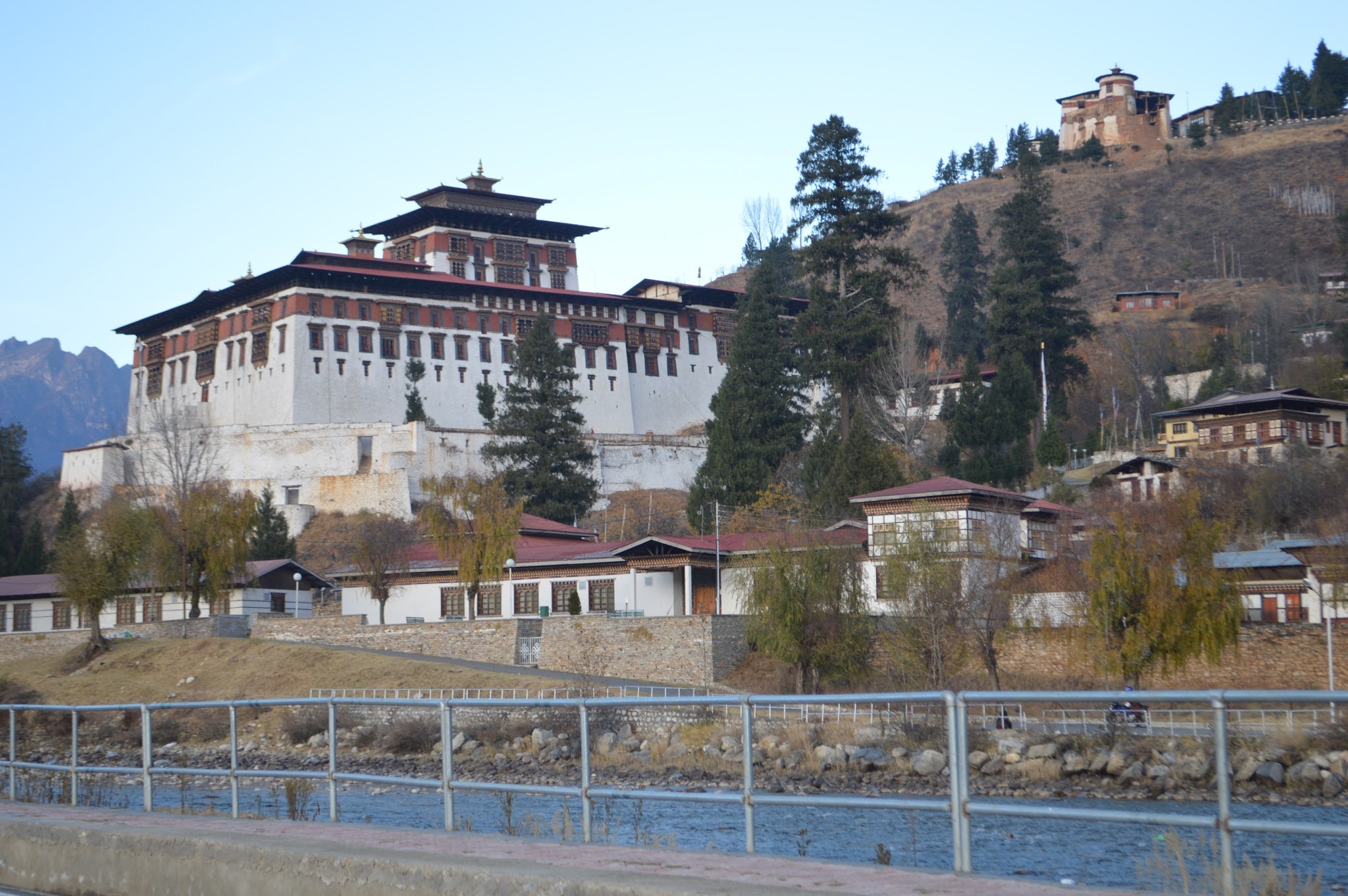
- Paro Dzong, Bhutan
What makes the three destinations different?
Nepal is an engaging starting point for everyday culture, architecture and varied landscapes. Kathmandu Valley rewards slow exploration: a courtyard workshop, a neighbourhood shrine or time watching life around a stupa can be as memorable as the headline monuments. Our Kathmandu Valley sightseeing guide helps you choose where to spend your time.
Tibet offers a different scale and atmosphere. Lhasa’s monasteries, pilgrim circuits and palace architecture sit on a high plateau where altitude shapes the pace of each day. Begin with cultural visits around the city; longer drives and higher destinations should be separate, carefully assessed extensions. Explore our guide to things to do in Lhasa for inspiration, with individual visits subject to access and opening arrangements.
Bhutan brings forest walks, dzongs and valley scenery. Thimphu and Paro form a practical short introduction; adding Punakha creates a fuller journey with more time beyond the main arrival corridor. Tiger’s Nest is a highlight for many visitors, but a good itinerary should also leave room for interests beyond its most photographed landmark.
How to choose your Nepal Tibet Bhutan itinerary
Starting from Kathmandu
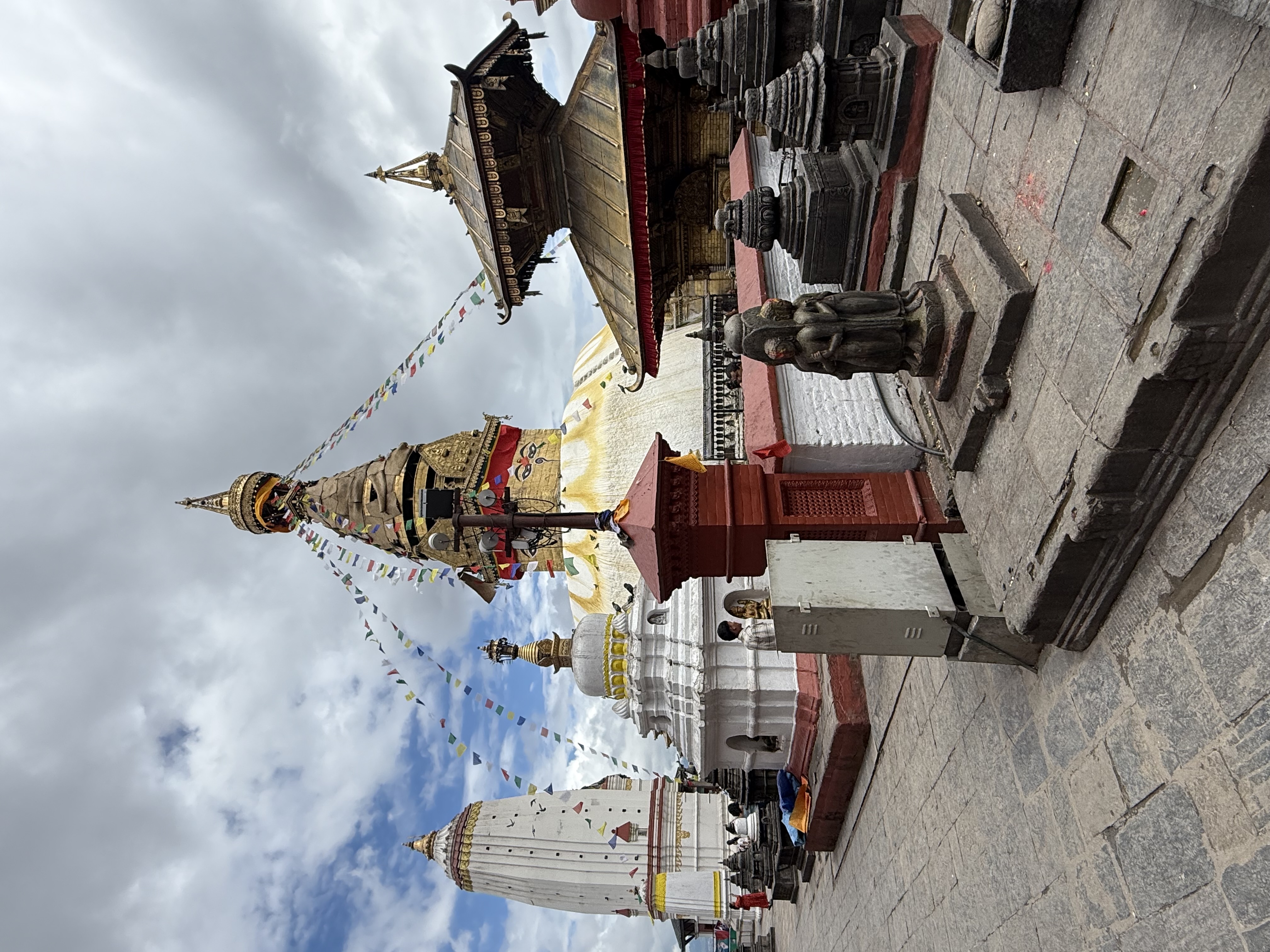
-Swoyambhunath Stupa
For many first-time visitors, a Nepal Tibet and Bhutan itinerary built around Kathmandu is straightforward to understand: Nepal sightseeing, a Tibet visit, a return to Kathmandu, and then Bhutan. Each regional flight still needs checking before dates are fixed.
Do not assume Tibet must always come before Bhutan. The better order depends on your Chinese entry status, passport-processing needs, flight availability and preferred Bhutan dates. Preparing the Bhutan application before departure can avoid unnecessary reliance on processing it during the Tibet visit.
If your original passport must remain in Kathmandu for a visa application, plan local sightseeing that fits the appointment schedule. An international side trip is not automatically practical during that period. Confirm when the passport will be available before booking activities requiring it.
Starting through mainland China and Lhasa
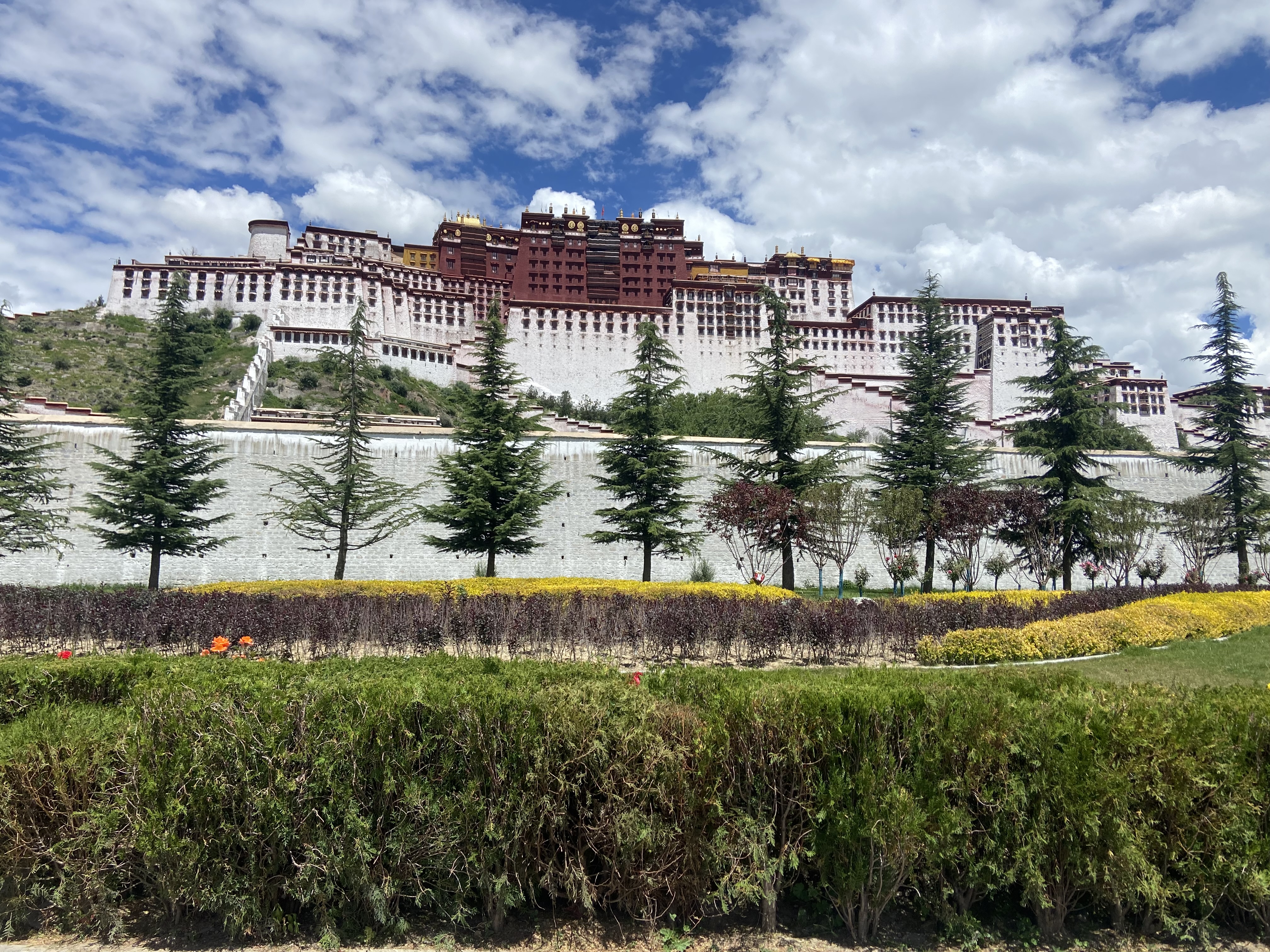
- Potala Palace, Lhasa
A Tibet Nepal Bhutan tour can begin with travel through a mainland Chinese gateway, followed by Lhasa, Kathmandu and Bhutan. This may suit travellers who already want to visit China or whose international flights connect conveniently there.
Confirm the appropriate Chinese visa or visa exemption first, then arrange Tibet permissions through the specialist operator. If an original permit must be delivered before boarding, allow time at the agreed mainland address. Ask about the document format required for your specific flight or train; do not assume a photograph on your phone is sufficient.
A train journey can be an experience in itself, but it does not remove altitude risk. Keep the first days in Lhasa gentle regardless of how you arrive.
Starting from Paro, Bhutan
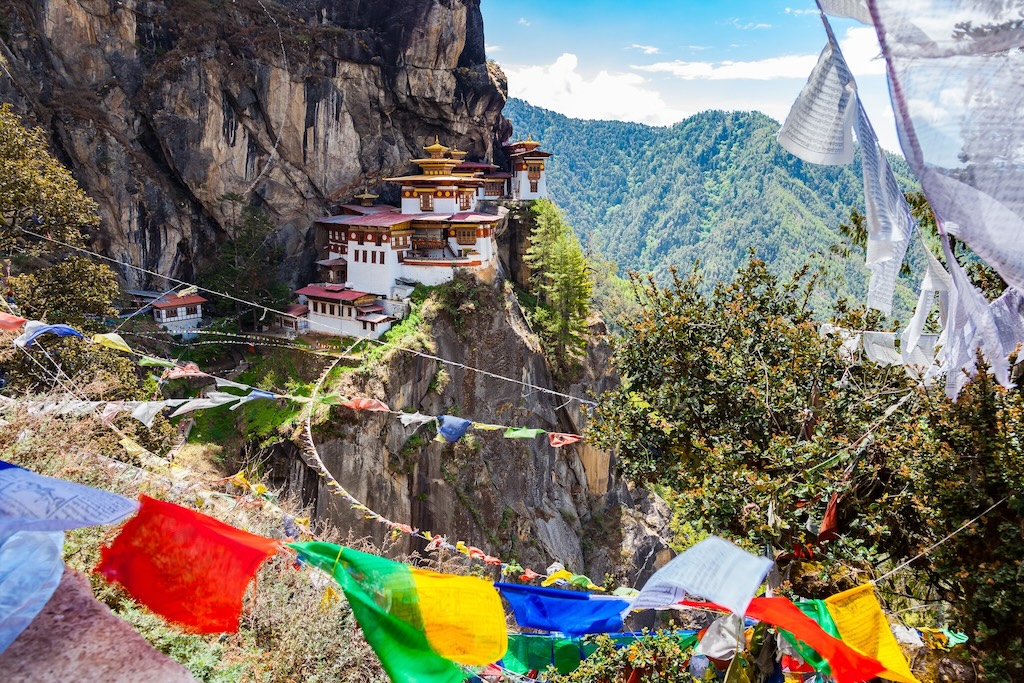
- Tiger's Nest Monastery, Bhutan
Beginning in Bhutan can fit connections through gateways such as Delhi or Bangkok. After your Bhutan visit, continue to Kathmandu and then Tibet, provided the permissions and available flights support that sequence.
Compare the cost of the whole route, including stopover hotels and onward connections. The cheapest first flight can become an expensive choice if it creates an awkward connection later. Where separate tickets are involved, allow a realistic overnight buffer rather than relying on a tight transfer.
A suggested 16-day Nepal Tibet Bhutan tour
This 16-day Nepal Tibet Bhutan itinerary is a planning example, not a fixed departure or a promise that visa processing will fit its first few days. Extra Kathmandu working days may be needed. The Nepal sightseeing days can be rearranged around appointments, and the regional flight dates must be confirmed before booking.
Day | Suggested plan | Overnight |
1 | Arrive in Kathmandu; settle in | Kathmandu |
2–3 | Kathmandu Valley heritage visits; fit around any appointments | Kathmandu |
4 | Flexible Nepal day; document and departure readiness | Kathmandu |
5 | Fly to Lhasa if confirmed; rest on arrival | Lhasa |
6 | Light local activities, only as you feel able | Lhasa |
7–8 | Lhasa cultural visits; order adjusted for tickets and wellbeing | Lhasa |
9 | Fly to Kathmandu if confirmed; rest between sectors | Kathmandu |
10 | Fly to Paro; transfer to Thimphu | Thimphu |
11 | Thimphu culture and local interests | Thimphu |
12 | Travel to Punakha with appropriate stops | Punakha |
13 | Punakha sightseeing; return to Paro | Paro |
14 | Tiger’s Nest hike or a suitable alternative | Paro |
15 | Return to Kathmandu; connection buffer | Kathmandu |
16 | International departure | — |
The main advantage of this outline is its breathing room: four nights in Lhasa, five in Bhutan and an overnight connection in Kathmandu. If your preferred flights require an extra night, extend the holiday rather than removing every recovery day.
For a shorter starting point, see our 11-day Nepal Tibet Bhutan tour package. Treat it as a compact introduction and ask us to adjust its timing to your documents, fitness and interests. A published itinerary is not confirmation that all flights or permissions are available.
Visas and permits: what needs arranging?
Nepal entry and return visits
Check Nepal’s current entry rules for your passport. Visa on arrival is available to many nationalities, but eligibility should not be assumed. Make sure your visa duration and re-entry permission cover every return to Kathmandu, including any unplanned extra nights.
Review passport validity for all destinations before paying deposits. For Nepal, plan on at least six months’ validity from entry, and check the other countries’ requirements separately. Carry copies of your passport, issued permissions, insurance and confirmed services.
Tibet: Chinese entry permission and a Tibet Travel Permit
A Chinese visa or qualifying visa exemption and a Tibet Travel Permit serve different purposes. A visa exemption does not remove the need for Tibet permission. Foreign visitors must arrange Tibet travel through a specialist operator and follow the approved organised itinerary.
For Tibet travel from Nepal, ask for a written assessment based on your nationality, existing Chinese visa, proposed entry point and onward journey. A Kathmandu-issued group visa may be required for some travellers. Do not assume that everyone needs one, that an existing visa is automatically sufficient, or that a fixed group-size rule applies to every case.
Where Kathmandu processing is necessary, allow the working days confirmed by the issuing process, plus contingency. Weekends and public holidays matter. Begin preparations several weeks ahead; a short quoted processing period should not become the deadline for starting the whole application.
Travel beyond Lhasa may require additional permissions. An approval for the city does not automatically cover Everest Base Camp, border areas or Mount Kailash. Access can change even after preliminary arrangements have been made.
Bhutan visas, fees and guiding
Most international visitors need Bhutan visa approval before travel. A standard visa application carries a US$40 fee. The standard Sustainable Development Fee is US$100 per adult per night, separate from accommodation and other services. Nationality-specific arrangements and child concessions apply; request a calculation for your own party.
Bhutan allows visitors to arrange bookings and visa applications themselves. However, independent booking does not mean unrestricted unguided travel: the tourism authority requires guides, and treks require an accredited operator or guide. A coordinated package remains useful for this combined journey, but it should be presented as a service choice, not a universal legal requirement to buy a package.
Can you travel overland between Nepal, Tibet and Bhutan?
Do not plan this as one continuous tourist road crossing. The Bhutan section normally needs a separate regional flight or a separately arranged route through India with the appropriate entry permissions. A direct Tibet–Bhutan tourist crossing should not be assumed.
For Nepal–Tibet travel, confirm the exact crossing, foreign-tourist access, road condition and permit approval before making an overland commitment. An old “border open” article or a scheduled departure shown on a website is not enough evidence.
Following the border disruption reported by our operating team, we are treating Nepal–Tibet overland arrangements as unconfirmed until route-specific clearance is obtained. We will assess flight alternatives through Lhasa or mainland China where available. This is not a promise that every flight route is operating on every requested date.
Our suggestion is to choose the journey you can reasonably arrange now and treat any future border reopening as a separate update. Do not make an entire holiday depend on a speculative reopening date.
Best time to visit Nepal, Tibet and Bhutan
For a cultural circuit, our suggested overlap is April–May or October–early November, subject to Tibet access and your precise route. This balances the spring and autumn appeal of Nepal and Bhutan with a city-focused Tibet visit. It is a planning recommendation, not a guarantee of clear skies.
Spring can bring flowers and comfortable sightseeing conditions, although haze may obscure mountains. Autumn often offers good visibility after the monsoon, but popular hotels and regional flights can fill early. Late September may still bring rain, and higher Tibetan areas become colder as autumn progresses.
Summer can suit some Tibetan journeys, while monsoon conditions in Nepal and Bhutan may complicate roads and flights. Winter can work for selected cultural visits, but requires a different approach to cold, daylight and higher routes. Avoid describing every month as equally suitable for the same itinerary.
If festivals are central to your holiday, plan around their confirmed dates and allow extra time. A festival visit should replace part of the daily programme rather than being added to an already full schedule.
What does a Nepal Tibet Bhutan tour cost?
The most useful Nepal Tibet Bhutan tour cost is a dated, itemised quotation for your route. An old all-inclusive range can mislead when flight fares, hotel choices, visitor fees and Tibet arrangements change.
When comparing Nepal Bhutan Tibet tour packages, check the number of nights, room basis, private or shared guiding, airport transfers, meals, entrance fees and all regional flights. Ask whether visa handling, government fees, baggage and payment charges are included, and whether the price covers flights from your home country or only the regional circuit.
For illustration, five Bhutan nights at the standard US$100 adult SDF rate amount to US$500. With a standard US$40 visa fee, that is US$540 before hotels, meals, transport, guiding, flights and other charges. This example is not a total tour price and does not apply to every nationality or age group.
Sharing a vehicle and guide can reduce the per-person cost, but not every expense falls with group size. A private Nepal Tibet Bhutan cultural tour costs more in some cases because it offers greater control over pacing and arrangements. Ask what flexibility the price actually buys.
Save money by simplifying the route and choosing appropriate hotels. Cutting acclimatisation time or removing all connection buffers is a poor saving.
Altitude, walking and realistic expectations
Lhasa is approximately 3,650 metres above sea level. Flying there creates a substantial altitude gain, and being fit does not prevent altitude illness. Discuss the itinerary with a travel-health professional beforehand, particularly if you have relevant medical conditions.
Keep the first 48 hours light and adjust sightseeing to how you feel. Report symptoms promptly. Do not ascend higher with altitude symptoms; worsening symptoms or breathing difficulty at rest require urgent medical assessment and may require descent. Medication should be discussed with a clinician rather than treated as a routine packing instruction.
Tiger’s Nest is a sustained uphill walk with many steps. Give it a dedicated day, start at a sensible pace and discuss an alternative if it does not suit your mobility. Our Tiger’s Nest hiking guide helps explain the route and preparation.
Choose insurance covering the destinations, intended activities and maximum altitude, including suitable emergency medical and evacuation provisions. Check the policy’s treatment of disruption and cancellation rather than assuming every change is covered.
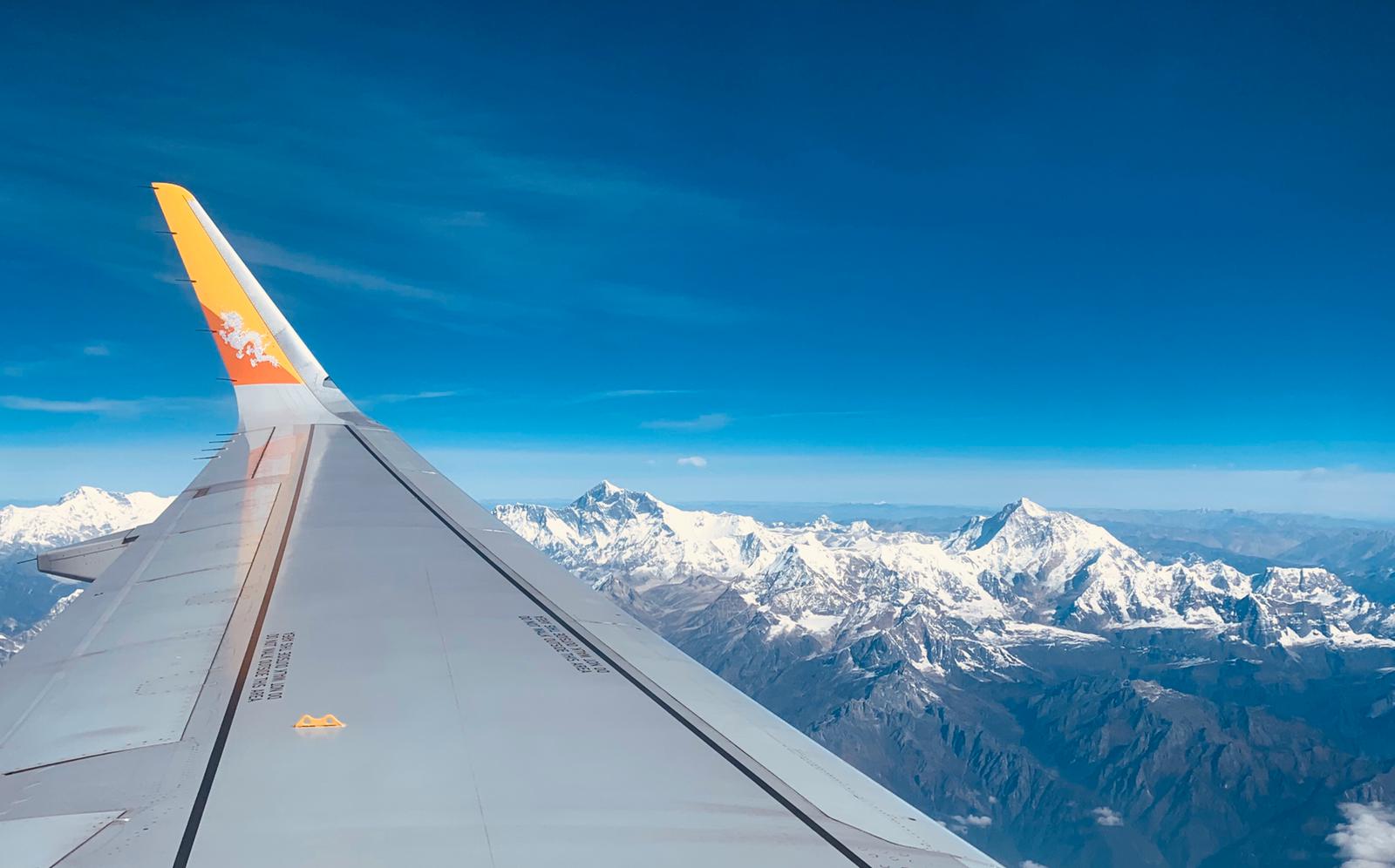
- a scenic flight between Kathmandu and Paro.
Our honest suggestion: depth before extra destinations
Choose all three destinations if you enjoy cultural variety and accept several airport days. Give Lhasa enough time, keep a buffer between regional and long-haul flights, and resist adding Everest Base Camp or Kailash simply because they appear close on a map.
If you have fewer days, want a gentler pace or prefer fewer administrative steps, a Nepal–Bhutan journey may be the better fit. Our Nepal and Bhutan travel guide explains that alternative. Tibet can become a dedicated future trip with the time it deserves.
For travellers who want trekking, add a separate block of days with its own acclimatisation and weather allowance. A major trek should not be squeezed into a visa-processing gap. A short local walk is often a better addition to a compact cultural holiday.
At HimalayanWindows, we can help coordinate the journey through our Kathmandu team and destination partners. Send your nationality, approximate dates, group size, room preferences, interests and onward flight plans. We can then suggest a realistic route and explain the costs, inclusions and conditions before you commit.
Final thoughts
A rewarding Nepal Tibet Bhutan tour gives each destination room to make its own impression. The right order depends on your circumstances, and a well-timed rest day can contribute more than another rushed attraction. Plan the permissions and connections carefully, leave space for the unexpected, and choose an itinerary that matches how you actually enjoy travelling.
Plan your trip
Ready to experience this yourself?
Our Kathmandu-based specialists build tailor-made treks and tours across Nepal, Tibet and Bhutan — tell us what you want.