
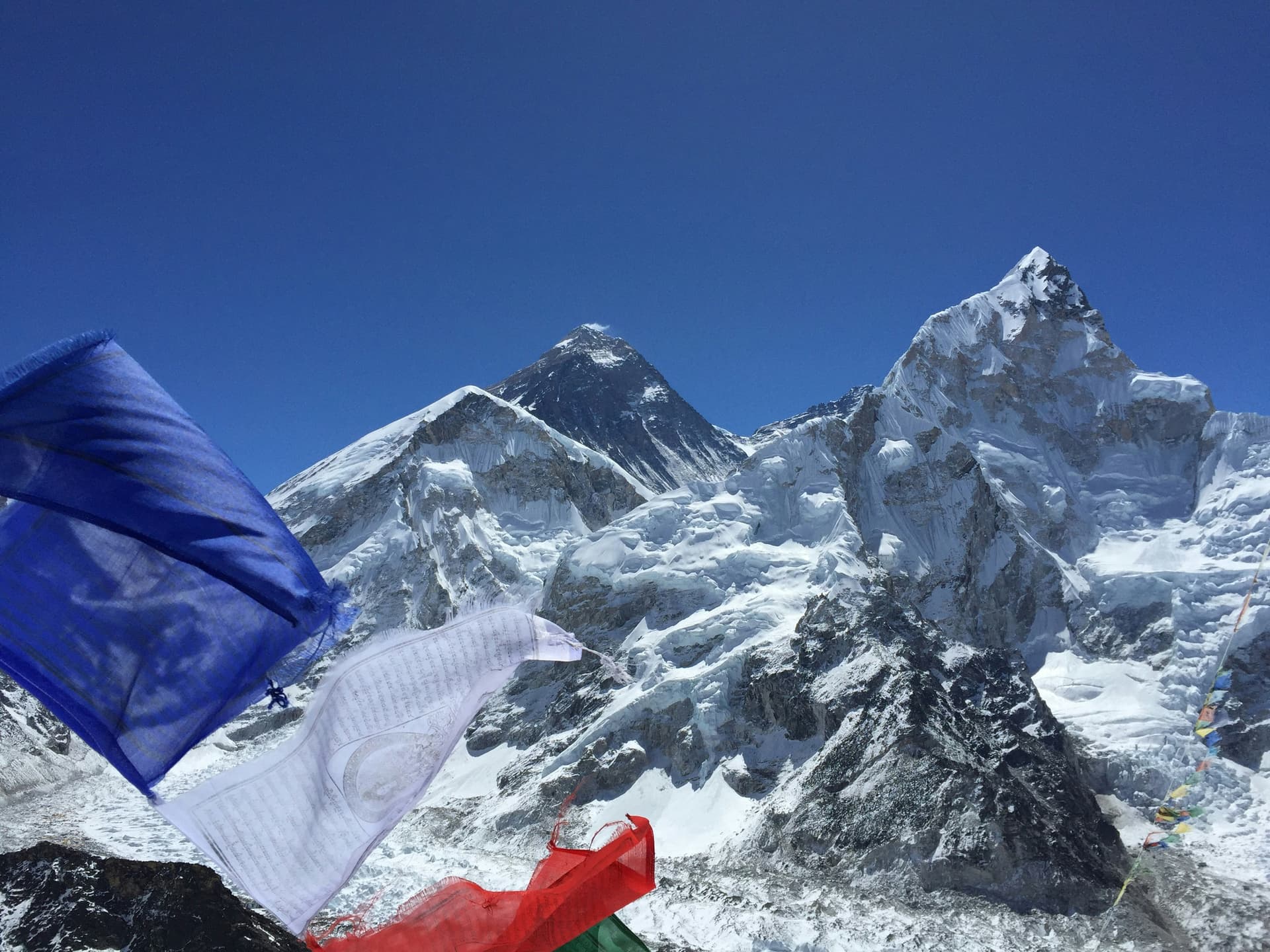
Best Time to Trek Everest Base Camp: A Seasonal Guide with Honest Pros and Cons
Spring and autumn are the most reliable seasons for Everest Base Camp, but each month brings different weather, crowds and costs. This honest guide helps you choose the right trekking season and prepare for high altitude.
Choosing the best time to trek Everest Base Camp is not simply a matter of finding the warmest month. Every season brings a different balance of mountain views, trail conditions, crowds, temperatures, and flight reliability. For most trekkers, spring (March to May) and autumn (September to November) offer the most dependable conditions, but winter and the monsoon season can also be rewarding with the right preparation. Having walked sections of the route and taken short acclimatization hikes around Namche Bazaar and Dingboche, we know that weather is only one part of the decision—your fitness, tolerance for cold, available time, and preferred trekking experience matter just as much.
The best time to trek Everest Base Camp is generally spring, from March to May, and autumn, from late September to November. These periods normally offer the best balance of mountain visibility, manageable temperatures, operating teahouses and safer trail conditions. If travellers ask us to choose the strongest individual months, we usually suggest April, October or early November—but no month can guarantee clear skies, on-time Lukla flights or a snow-free trail.
That honest qualification matters. The Everest Base Camp weather can change within hours, and conditions at Namche Bazaar are very different from those at Lobuche, Gorak Shep or Kala Patthar. The right season therefore depends on whether you value warmer days, clearer views, fewer people, lower costs or the atmosphere of the climbing season.
Everest Base Camp Seasons at a Glance
Season | Typical conditions | Main advantages (Pros) | Main disadvantages (Cons) |
Spring: March–May | Gradually warmer, generally stable, occasional snow or afternoon cloud | Rhododendrons, active trails, climbing-season atmosphere | Busy lodges, colder early March, cloud may build later in May |
Autumn: late September–November | Drier air, clear views and cool nights | Excellent visibility and generally reliable trails | October crowds, limited room choice, colder late November |
Winter: December–February | Often dry and clear but very cold | Quiet trails, crisp views and more lodge availability | Severe cold, ice or snow, some reduced services |
Monsoon: June–early September | Rain and cloud at lower levels; wet, muddy paths | Green scenery, fewer trekkers and a quieter route | Lukla delays, poor visibility, slippery trails and landslide risk |
Spring: March to May
Spring is often described as the best season for Everest Base Camp trek departures. March begins cold, especially above Dingboche, but conditions usually become milder as the month progresses. April provides a strong balance of daylight, trail access and mountain views. May is warmer in the lower Khumbu and brings the energy of the Everest climbing season, although afternoon cloud can become more frequent as the monsoon approaches.
The advantages are practical: most teahouses are operating, trail support is readily available, and flowering rhododendrons brighten the lower route. The disadvantages are equally real. Popular lodges can fill quickly, Lukla flights remain weather-dependent, and a busy trail does not remove the need for careful acclimatization.
Autumn: Late September to November
For many travellers asking about the Everest Base Camp best time to go, autumn is the answer. After the monsoon, the air is often clean and mountain visibility can be outstanding. October is the busiest month because it usually combines moderate daytime conditions with clear views. An Everest Base Camp trek in autumn also benefits from generally drier trails and lively teahouses.
The trade-off is crowding. Namche, Tengboche, Dingboche and Lobuche can be busy, and the most desirable rooms may be limited. Late September can still carry residual monsoon cloud, while late November becomes much colder. We recommend booking early, accepting simple accommodation at higher settlements and keeping flexibility for flights.
Winter: December to February
Winter can be beautiful for experienced and well-prepared trekkers. The trail is quieter, the air is often clear, and the snow-covered landscape can feel especially dramatic. It can also be unforgiving. Temperatures at higher lodges may fall far below freezing, water can freeze overnight, and snow or ice may affect the trail to Everest Base Camp and Kala Patthar.
We do not automatically discourage a winter trek, but we do assess the traveller’s equipment, cold tolerance, hiking background and schedule. A warm sleeping bag, insulated layers, reliable footwear and spare days are essential. Travellers should also accept that the guide may change a day’s plan for safety.
Monsoon: June to Early September
The monsoon is usually not our first recommendation for a first-time EBC trekker. The lower trail becomes wet and humid, clouds frequently hide the peaks, and flights to Lukla can face repeated delays. Mud, slippery stone steps and landslide-prone road sections can complicate alternative access.
There are positives: the landscape is green, the route is quieter and accommodation may be easier to find. A flexible, experienced trekker can still complete the journey, but the trip should not be planned around guaranteed views or a tight international connection.
Shoulder Seasons: A Quieter but Less Predictable Choice
Late February to early March and late November to early December can suit travellers who want fewer people. These dates may offer clear views and a calmer trail, but they sit close to winter conditions. Snowfall, cold nights and reduced services are more likely than in April or October. Shoulder-season travel works best when the traveller values quietness more than certainty and carries proper cold-weather gear.
What Our Acclimatization Days Really Look Like
An acclimatization day is not a day spent entirely in bed. In our experience, gentle movement helps travellers adjust while giving the guide time to observe how each person responds to altitude. At Namche Bazaar, we often take a short 3–4 km acclimatization hike towards Syangboche and the Hotel Everest View area, depending on the lodge location, weather and the group’s condition. The purpose is to climb gradually, spend time higher and return to sleep lower in Namche.
At Dingboche, we may make another 3–4 km walk on the nearby slopes or ridge and return to the village rather than forcing every traveller to reach the highest possible viewpoint. These outings have taught us something important: the strongest-looking trekker is not always the one who adapts fastest. We watch breathing, appetite, headache, sleep, balance and energy, and we encourage travellers to speak honestly about symptoms.
Fitness improves endurance, but it does not prevent altitude illness. A sensible Everest Base Camp trek 12 days includes acclimatization in Namche and Dingboche. Shorter schedules can look attractive online, but saving a day is not worthwhile if it removes the time your body needs.
Weather, Lukla Flights and Buffer Days
Even during the best time of year to trek to Everest Base Camp, Lukla flights can be delayed or diverted. Mountain weather, visibility, wind and airport operations—not the season printed on an itinerary—control the flight. Read our guide to getting to Lukla from Kathmandu and keep at least one extra night in Kathmandu after the trek before an international departure. Two nights are safer when the onward ticket is expensive or difficult to change.
Pack for cold, sun, wind and precipitation in every season. Our Everest Base Camp trek packing list explains the essential layers, footwear and equipment. Comprehensive travel insurance should cover trekking to at least 5,545 metres, emergency evacuation, medical treatment, trip interruption and delays.
So, When Should You Go?
Choose April, October or early November if your priority is the most dependable overall balance. Consider March or May for a classic spring journey with slightly different temperatures and trail atmosphere. Choose late November or early December if quieter trails matter more than warmth. Winter is possible with serious preparation; monsoon demands the greatest flexibility.
Final Thoughts
Ultimately, the best time to do Everest Base Camp is the period that matches your experience, comfort with cold, tolerance for crowds and available buffer days. The season matters, but a well-paced itinerary, realistic expectations and an attentive local guide matter more. For broader planning, read everything to know before planning an Everest Base Camp trek or contact Himalayan Windows for a route designed around your dates and walking experience.
Plan your trip
Ready to experience this yourself?
Our Kathmandu-based specialists build tailor-made treks and tours across Nepal, Tibet and Bhutan — tell us what you want.